
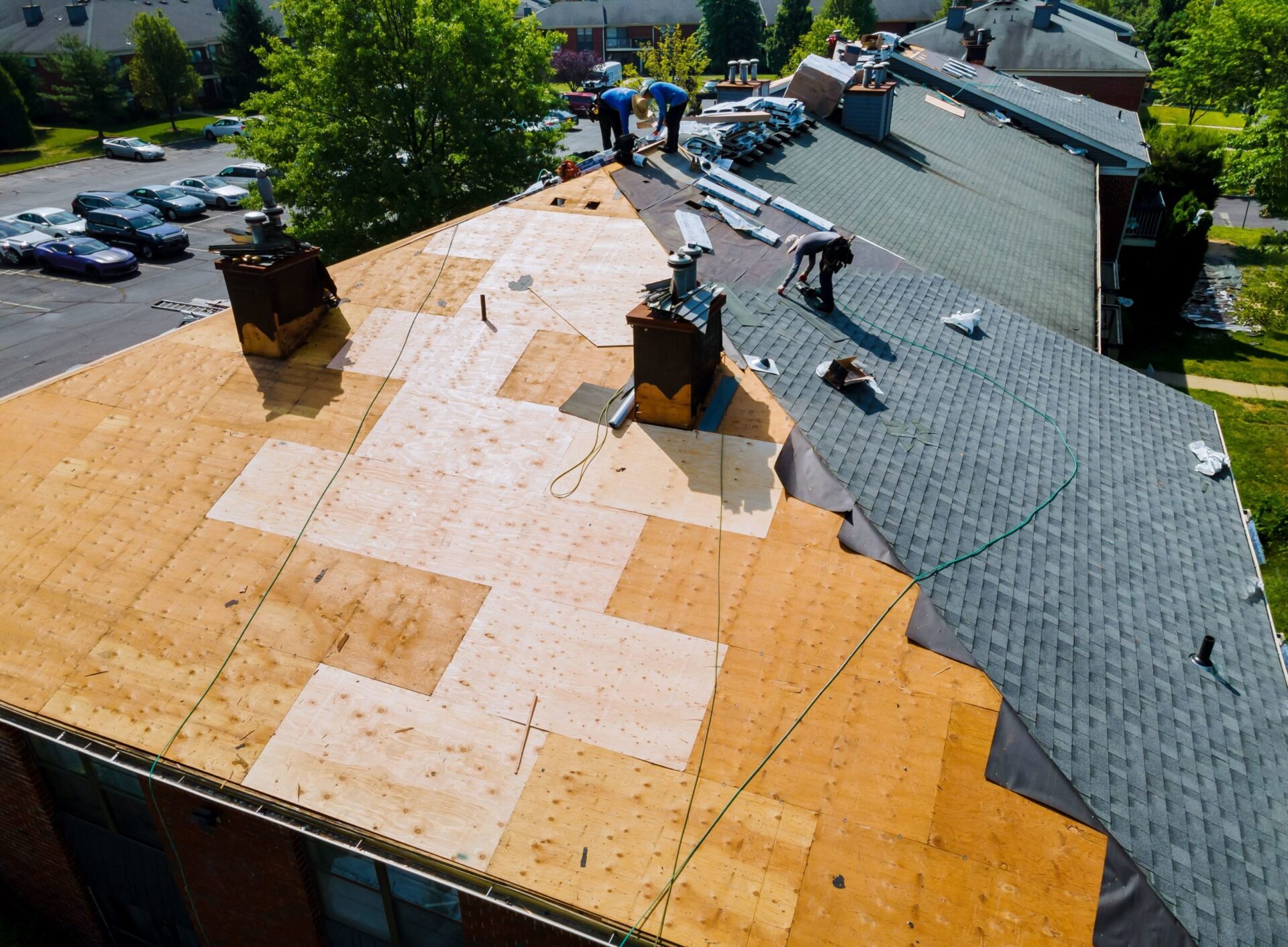
I can spot a loose shingle from the ground. After decades on Utah roofs, that little curl at the edge or the way one tab sits higher than the rest? It's like a flashing sign. And here's the thing: a single loose or damaged shingle can turn into a $3,000 ceiling repair if you ignore it. Water doesn't need a big hole—it just needs a path in.
Repairing loose shingles is one of the most common calls we get. Sometimes it's a quick fix you could do yourself with the right know-how. Other times, what looks like "just a loose shingle" is actually a symptom of something bigger—wind damage, poor installation, or a roof that's simply reached the end of its life. In this guide I'll walk you through how to fix loose shingles safely, when loose shingle repair is a DIY job, and when to pick up the phone. Let's get your roof back in shape.
What Causes Loose Shingles (And Why It Matters)
Loose roof shingles don't happen by magic. Usually it's one of a few culprits. Wind is the big one—especially in Utah where we get those canyon gusts and sudden storms. A shingle that wasn't nailed quite right, or that lost a nail over time, will lift. Once one tab lifts, the wind gets underneath and can peel back a whole section. I've seen a single storm take out a 3-foot strip because one nail was high.
Then there's age. Asphalt shingles get brittle. The adhesive strip that seals each tab to the one below can stop sticking after 15 or 20 years. When that happens, the tabs don't "grab" anymore and they start to curl or lift. Temperature swings make it worse. We get 100-degree days and then a cold snap—that expansion and contraction works the nails and breaks the seal. So you end up with loose shingles even when nobody's been on the roof.
Why does it matter? Because loose shingles are an open door for water. Rain doesn't have to pour in—it wicks under the lifted tab, soaks the deck, and the first you know about it is a stain on the ceiling. Fixing one or two loose shingles is cheap. Replacing rotted decking and fixing the interior damage is not. So the sooner you address loose shingle repair, the better.
Professional Takeaways
- Wind and poor nailing are the top causes of loose roof shingles
- Aging shingles lose their adhesive strip—tabs stop sealing and lift
- Utah's temperature swings speed up wear on nails and seals
- One loose shingle can lead to deck rot and interior water damage
How to Fix Loose Shingles Safely (Step-by-Step)
If you're going to fix loose shingles yourself, safety first. Never go up in the rain, when the roof is wet, or in high wind. Wear shoes with good grip and work from a harness if your pitch is steep. I've seen too many folks slip on what they thought was "just a little slope."
For a shingle that's just lifted but not torn: lift the tab gently, add a dab of roofing cement under the corner, and press it back down. Sometimes you need to slip a new nail in—use roofing nails, not screws or regular nails, and place them where they'll be covered by the overlapping shingle above so they don't get wet. Then seal the nail head with a small bit of roofing cement so water can't wick in. That's the basics of how to fix loose shingles when the shingle itself is still good.
When the shingle is cracked, missing a piece, or badly curled, you need to replace it. That means lifting the row above, pulling the nails on the damaged shingle, sliding the new one in, nailing it, and sealing. It's not rocket science, but it does require the right tools and a little patience. If you're not comfortable on a roof or you've got more than a couple of damaged shingles, call a pro. Repairing loose shingles in bulk is a job for someone who does it every day.
Professional Takeaways
- Only work on a dry roof in good weather; use a harness on steep pitches
- For lifted tabs: roofing cement under the corner and a new nail if needed
- Seal every nail head with roofing cement to prevent leaks
- Replace cracked or curled shingles; leave large repairs to a pro
When Loose Shingle Repair Is DIY vs. When to Call a Pro
Here's my rule of thumb. One or two loose shingles on a low pitch, and you're handy? You can probably handle it. You've got the guide above. But if you see a whole section lifting, or you're on a two-story house with a steep roof, or you're not sure what you're looking at—don't risk it. A fall is not worth saving a few hundred bucks.
Also, "how to fix loose roof shingles" sometimes leads people to think every repair is the same. It's not. If the shingles are old and brittle, they can crack when you lift them. If the deck is soft, you shouldn't be walking on it at all. A pro will spot underlying damage—rot, bad flashing, failing underlayment—that a homeowner might miss. We fix the loose shingles and we fix the cause so it doesn't happen again in six months.
So: small number of loose shingles, safe access, and you're confident? DIY is fine. Anything else—multiple damaged shingles, high or steep roof, or you just want it done right—call someone like us. Loose shingle repair is bread-and-butter work for a good roofing company, and it's usually a quick, affordable visit.
Professional Takeaways
- DIY: one or two loose shingles, low pitch, and you're comfortable on a roof
- Call a pro: whole sections lifting, steep or high roof, or unsure what you're seeing
- Old or brittle shingles can crack when lifted—pros know how to work with them
- A pro can fix the cause (flashing, deck, nailing) so the problem doesn't return
Damaged Shingles: Spotting Problems Before They Become Leaks
Damaged shingles aren't always obvious. Sometimes they look "a little off" from the ground—a slight curl, a different color where the granules are gone. That's the time to act. Granule loss is a big one. When you see dark streaks or bald spots on a shingle, the UV-resistant layer is gone and that spot will age faster. It might not be loose yet, but it's on its way.
Loose shingles often show up after a storm. You might notice a few tabs that don't sit flat, or you might find shingle pieces in the yard. Either way, get up there (or have someone get up there) and secure or replace them before the next rain. I've had customers call after every big wind event because they keep putting it off. One visit to repair the loose shingles and seal the nails would have saved them a lot of worry.
Another thing to watch: shingles that look fine but are actually not nailed properly. Sometimes you can see a row that's slightly raised—that can mean the nails were driven too high or the shingles weren't seated. That's a job for a pro, because you need to lift the course above and re-nail correctly. Catching damaged shingles early is the key to avoiding leaks and keeping repair costs low.
Professional Takeaways
- Granule loss and slight curling are early signs of damaged shingles
- After storms, check for tabs that don't sit flat or shingle pieces in the yard
- A whole row sitting high can mean improper nailing—needs pro correction
- Fix loose or damaged shingles before the next rain to avoid deck and interior damage
Loose Roof Shingles in Utah: Weather and Maintenance
Utah is rough on roofs. We get intense sun that bakes the adhesive strips, then freeze-thaw cycles that push and pull every nail. In the valleys we get wind that can get under a weak tab and peel it back. So even a well-installed roof will eventually show some loose shingles—especially as it gets past 15 or 20 years. That's normal. What matters is staying on top of it.
A quick visual check once or twice a year helps. After any big wind or hail event, take a look from the ground or have an inspection. If you see one loose shingle, there might be more. Repairing loose shingles as they appear keeps small problems from becoming big ones. And if you're not the DIY type, a lot of roofing companies offer maintenance plans where we come out once or twice a year, check the flashings and vents, and fix any loose or damaged shingles we find. It's one of the best ways to extend the life of your roof.
Bottom line: loose roof shingles are common here, but they're also fixable. Whether you do it yourself or call us, don't let them go. Your future self (and your ceiling) will thank you.
Professional Takeaways
- Utah sun and freeze-thaw cycles speed up shingle and nail wear
- Check after wind or hail; one loose shingle often means others nearby
- Annual or twice-yearly checks help catch loose shingles before they leak
- Maintenance plans often include fixing loose and damaged shingles
Wrapping it up
Repairing loose shingles doesn't have to be a mystery. You now know what causes loose roof shingles, how to fix loose shingles when it's safe to DIY, and when to call in a pro. You also know how to spot damaged shingles early so they don't turn into leaks. The key is to act before water finds its way in.
If you're in Utah and you've got loose shingles—whether it's one tab or a whole section—the crew at Sky Ridge can help. We'll secure or replace what's needed and make sure the rest of your roof is in good shape. Give us a call or request a free inspection. Let's keep your roof tight and your ceiling dry.
