

Commercial Roofing Repair Costs in 2026
By Skyridge Ricky • March 28, 2026 • 13 min read
If you are pricing commercial roofing repair cost, you are usually balancing two competing pressures: stop the leak now, but do not spend money blindly on a roof that may need broader work. That tension is why commercial repair budgets can feel hard to trust. Owners get one number that seems suspiciously cheap, one number that looks too high, and one proposal that starts with “we need to investigate further.” In most cases, the third proposal is the most honest because commercial roof repair pricing depends on the real cause of failure, not just the visible symptom.
A small puncture in a healthy TPO roof is not priced like a repeated leak around HVAC curbs, saturated insulation near a drain bowl, or emergency storm damage on an occupied building with after-hours access limits. Commercial repairs also carry a different risk profile than residential work because inventory, tenants, production schedules, and liability are often tied directly to whether the roof stays watertight. That means the best repair quote is usually the one that explains what is being fixed, what assumptions it is making, and how likely the repair is to hold based on the current age and condition of the system.
This guide breaks commercial repair cost into the factors owners can actually control and evaluate. We will cover what drives the price, how membrane type changes repair scope, when emergency work costs more, and when repair stops being a smart use of capital. If you need a decision-quality view of the cost, this is the framework to use.
Commercial Roofing Paths
This guide should keep sending readers back into the commercial service cluster so informational traffic supports bid-ready pages.
Next steps from this article should include commercial roofing services, flat roofing systems, commercial roof maintenance, property management roofing.
Request a commercial roofing bid
Turn research into a real scope review.
Request a commercial roofing bidWhat Drives Commercial Roofing Repair Cost
The first driver of commercial roofing repair cost is repair class. Some issues are localized maintenance events: a puncture, a loose termination bar, a split pipe flashing, or a seam that needs reinforcement. Other issues are symptoms of broader failure, such as ponding water that keeps opening seams, shrinking membrane, widespread fastener back-out, or repeated leaks around rooftop units that were flashed poorly years ago. The price changes dramatically depending on whether the crew is correcting a single event or stabilizing a roof that is starting to lose system integrity.
Access and building use come next. A simple repair on an empty warehouse is not scoped the same way as work above medical tenants, food service, server rooms, or active production lines. Safety measures, after-hours scheduling, interior protection, and restricted staging all add labor time. Roof height, parapet access, crane use, and mechanical congestion also matter. Commercial jobs often look deceptively simple from the parking lot until the crew gets on top and realizes the roof is crowded with units, conduit, and foot-traffic paths.
Weather exposure and timing also affect cost. Emergency storm calls usually include temporary dry-in or tarping work before the permanent repair happens. Water-damaged insulation or substrate adds another layer because once the assembly is wet, the crew may need to cut back further than expected to get to dry, stable material. That hidden-condition factor is one reason repair estimates often include allowances or conditional language. It is not evasive if it is explained correctly. It is just field reality.
Owners should therefore evaluate repair pricing around cause, access, occupancy, urgency, and moisture extent. Those are the variables that separate a realistic commercial repair number from a low bid that may only address the visible surface problem.
- Repair cost depends on whether the issue is isolated or part of wider system deterioration.
- Occupied-building logistics can add meaningful labor and scheduling cost.
- Emergency response and temporary waterproofing are different cost categories from planned repair.
- Wet insulation and hidden substrate damage often expand the scope once the area is opened.
- Commercial repair estimates should explain assumptions instead of pretending every condition is known up front.

How Membrane Type Changes the Repair Budget
Not all commercial roofs repair the same way. TPO and PVC are heat-welded systems, which means repairs often involve cleaning, patching, seam probing, and welding new membrane into the field. EPDM behaves differently because seams and patches rely on primers, tapes, and adhesives rather than hot-air fusion. Modified bitumen and BUR systems add another layer of complexity because repairs may involve torch work, cold process materials, cap sheets, and substrate-specific detailing. If two contractors treat all membrane repairs like they are interchangeable, the pricing and the repair quality are both likely to miss the mark.
Material age also changes the repair approach. A newer TPO membrane with isolated puncture damage can often be patched efficiently and confidently. An older membrane that has embrittled, weathered heavily, or lost plasticizer may still be repairable, but the labor rises because the technician must verify that the material can accept a durable weld or bond. The same issue shows up on older EPDM roofs where seam conditions or contamination make surface prep more demanding. Repair cost is not just about putting material over the hole. It is about making sure the repair actually integrates with the roof that is there today.
Metal commercial roofs bring their own cost logic. Leaks may come from fasteners, laps, penetrations, or aged sealant lines, and the right repair may involve panel replacement, fastener retrofit, closure-strip work, or coating preparation rather than a simple patch. Coated systems can be especially sensitive because the repair may need to align with future restoration plans. If the building is likely to be coated later, the repair scope should support that future path rather than create a conflicting detail.
For property owners, the takeaway is simple: membrane type is not a detail buried in the proposal. It is one of the main reasons repair pricing varies. A credible contractor should explain how the existing roof system affects materials, labor, and expected repair performance.
- TPO and PVC repairs are not priced or executed the same way as EPDM, modified bitumen, or metal repairs.
- Older membranes often require more prep and verification to support a durable patch.
- Commercial metal leak repairs may involve fasteners, laps, penetrations, or coating compatibility concerns.
- Repair cost should reflect the actual roof assembly, not a generic “flat roof” label.
- System-specific repair methods are a major sign of technical credibility in a proposal.

Emergency Repair vs. Planned Repair Pricing
Emergency commercial repair almost always costs more than planned repair because urgency changes the workflow. Crews may need to mobilize quickly, work outside normal hours, install temporary dry-in, and protect occupied spaces below before the final repair can even begin. In some cases the first visit is not intended to complete the whole scope. It is intended to stop active water entry and prevent business interruption until materials, weather, and access conditions line up for permanent work.
That distinction matters because some owners compare emergency invoices to planned repair bids and assume one side is unreasonable. They are different services. Emergency work prices in the cost of speed, risk, and incomplete information. Planned repair prices in the cost of efficiency. If your roof is actively leaking over inventory or tenant space, the premium for quick stabilization is often justified because the alternative is much more expensive secondary damage.
Planned repair, by contrast, gives the contractor time to inspect properly, order matching materials, coordinate rooftop access, and sequence the work to minimize disruption. That usually leads to a better repair and a better price. It also creates room to compare repair to restoration or replacement if the roof condition suggests a larger issue. Many owners save money by using emergency response to stabilize the immediate problem and then converting the follow-up work into a planned corrective project rather than forcing the whole decision into crisis mode.
The practical implication is that commercial repair cost should be evaluated in two stages: the cost to stop damage now and the cost to correct the roof properly. Combining those into one misunderstood number is where a lot of friction and confusion starts.
- Emergency repair prices in speed, risk, and temporary protection, not just the permanent repair task.
- Planned repair is usually more efficient and produces a better scope than crisis-only response.
- Stopping active water entry and correcting the root cause are often two separate stages of work.
- Emergency invoices should not be compared directly to scheduled repair bids without context.
- Fast stabilization can be worth the premium when business interruption risk is high.
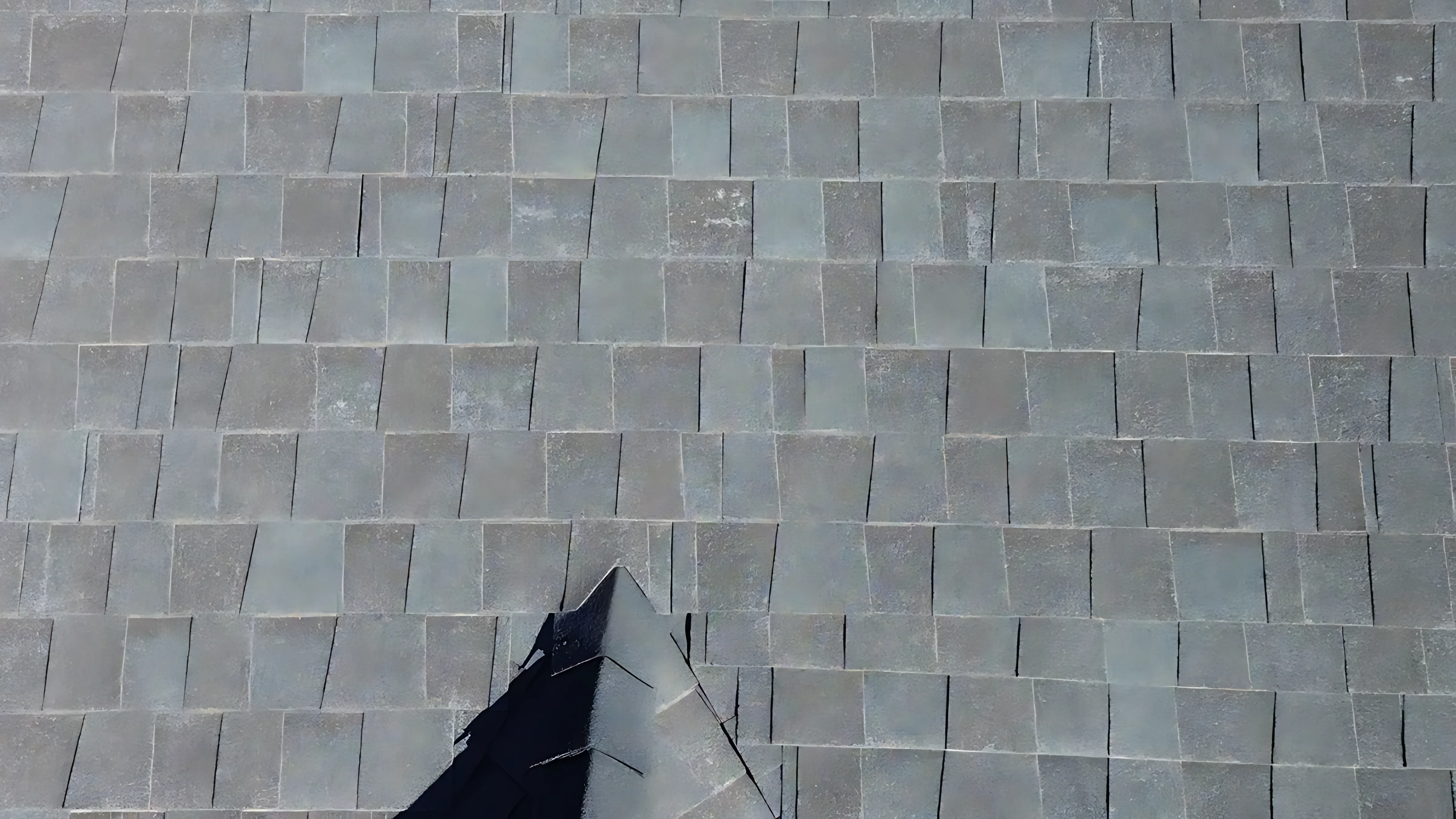
When Repair Cost Signals It Is Time to Replace or Restore
Repair is usually the right move when the roof is fundamentally sound and the failure is localized.
It becomes weaker value when repair costs stack up across the year without restoring confidence in the system.
If leaks are recurring in multiple areas, if seam or flashing failures keep showing up after previous repairs, or if wet insulation is spreading, property owners should stop asking only “what does this repair cost” and start asking “what is the annual cost of continuing to own this roof in its current condition.” That is a different question and often the more important one.
There is no single percentage rule that fits every building, but repeated repair spend is often a sign that the roof deserves a broader strategy.
Restoration may make sense if the substrate is dry and stable enough to support it.
Replacement may be the better path if the failures are systemic. Either way, the repair quote should help you understand whether you are solving an isolated problem or buying another short extension on a roof that is already telling you it wants capital work.
Owners should also think beyond the roofing line item. Leaks create operational risk, tenant dissatisfaction, inventory exposure, and maintenance distraction. Sometimes the roof repair itself looks reasonable, but the repeated disruption it causes is not. A more expensive capital project may be cheaper once those business costs are considered. This is especially true on owner-occupied buildings where roof uncertainty affects every storm event and every maintenance budget conversation.
A strong contractor will not just quote the repair. They will explain what the repair means in the context of the roof’s age, condition, and future capital planning. That context is what turns a cost number into a useful decision.
- Localized failures generally support repair; recurring failures often point toward restoration or replacement.
- Annual repair spend should be compared against long-term ownership strategy, not just one invoice.
- Operational risk and tenant disruption can outweigh the apparent savings of repeated patching.
- Restoration works best on roofs that are still structurally worth preserving.
- The best repair quote explains where the roof sits in its lifecycle, not just today’s leak.
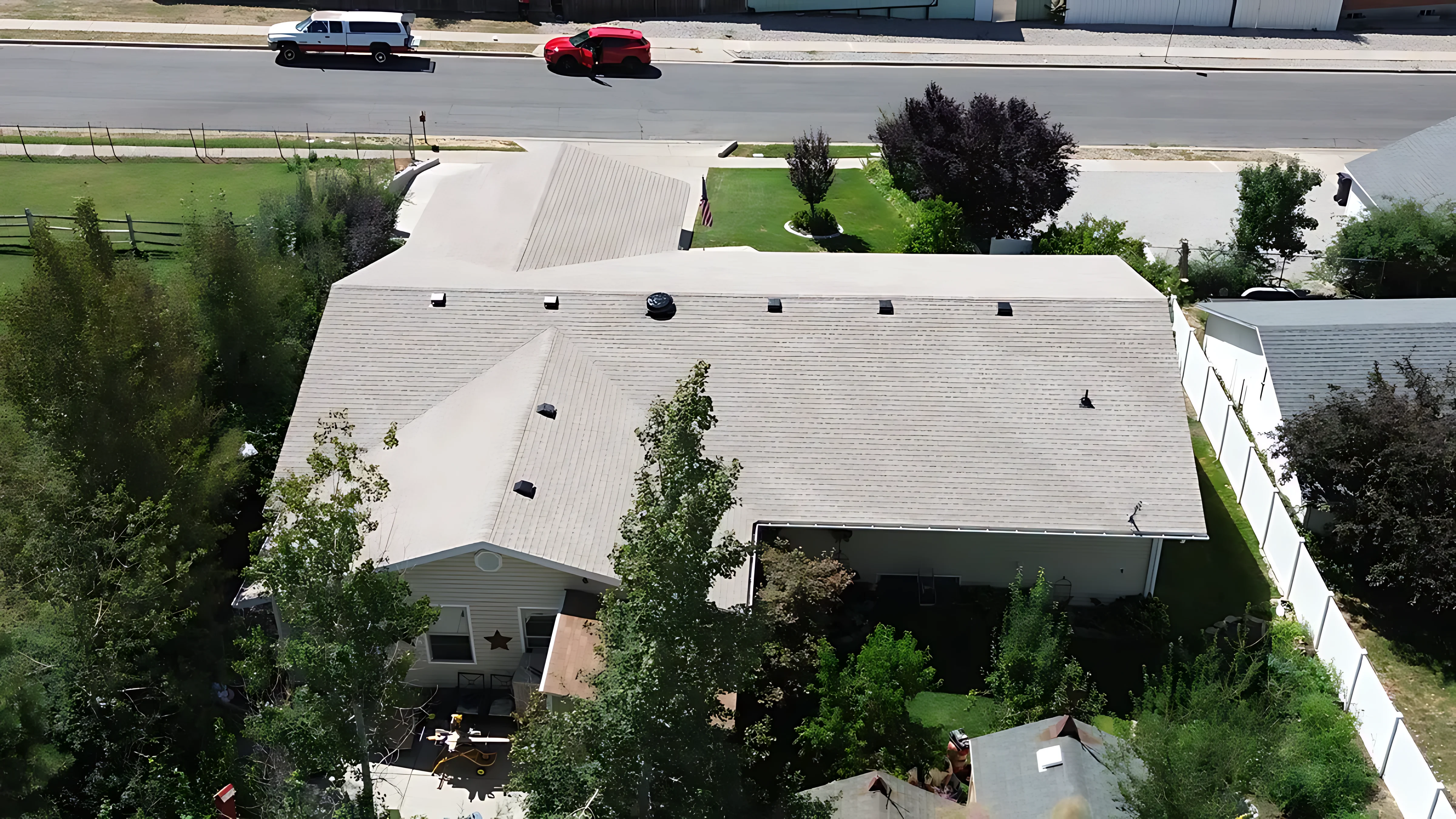
What Property Managers Should Ask Before Approving Repair Spend
Property managers are often the ones forced to translate roof repair cost into operational decisions. Before approving a commercial repair, ask whether the issue appears isolated or repeatable, whether the contractor expects hidden moisture or substrate work, and whether the same area has leaked before. Those questions help you determine whether you are funding a corrective repair or just the next temporary intervention on a recurring weak point. That distinction matters because short-term maintenance spend can turn into deferred-capital regret very quickly on aging commercial roofs.
It is also worth asking what the repair means for the rest of the asset plan. If the building is scheduled for disposition, refinancing, tenant turnover, or capital budgeting within the next one to three years, the roof decision may need to fit that timeline rather than aim for the longest possible standalone repair outcome. A repair that keeps the building dry for the ownership horizon may be the right move. In a hold strategy, the same roof may justify restoration or replacement because the organization benefits more from predictable warranty-backed performance than from repeated maintenance calls.
Documentation should be part of the approval process too. Request photos, the identified leak source, the intended repair method, and the contractor’s view of the remaining service life of the surrounding roof. This is especially important for multi-tenant and institutional properties where multiple stakeholders may ask later why a repair was chosen instead of a capital project. Clear documentation turns the repair invoice into part of the building record instead of an isolated reactive expense.
Finally, ask what happens if the roof opens and conditions are worse than expected. Strong commercial contractors will tell you how hidden-condition change orders are handled and what decision thresholds would make them recommend pausing for a larger conversation. That level of transparency protects the budget and helps managers avoid being cornered into rushed decisions halfway through a leak event.
- Property managers should evaluate whether the repair is corrective or merely temporary.
- Roof decisions should fit the building’s hold period, tenant needs, and capital timeline.
- Photos and written source identification improve long-term facility records and accountability.
- Hidden-condition protocols should be understood before the repair is approved.
- A repair invoice is most useful when it also strengthens the asset history for future decisions.
How to Read a Commercial Repair Proposal Without Missing the Risk
A commercial repair proposal should tell you more than the price and the date. It should identify the probable source of failure, the roof system involved, the proposed repair method, and what assumptions the contractor is making about hidden conditions. If those details are missing, the owner is being asked to approve cost without understanding risk. That is where many low bids gain their appeal. They simplify the wording so aggressively that the scope looks easy, even when the roof problem is not.
Look closely at what the estimate says about surrounding conditions. Is the contractor replacing flashing, patching membrane, probing seams, opening wet areas, or only addressing the visible point of entry? Are temporary measures part of the number or separate? Is there any language about wet insulation, deck damage, or what happens if the leak source expands beyond the initially visible area? These clauses matter because commercial roofs frequently reveal more once the work begins, especially after long-term leakage.
Repair proposals should also be read in the context of remaining roof life. If the contractor thinks the surrounding roof is nearing the end of service life, that should appear somewhere in the discussion. A repair can still be the right decision on an aging roof, but the estimate should not imply a level of certainty the existing system no longer supports. Owners deserve clear language about what the repair is expected to accomplish and what it cannot guarantee if the broader roof is deteriorating.
When owners learn to read repair proposals this way, pricing becomes easier to evaluate because scope and confidence are visible on the page. The strongest commercial contractors are usually the ones willing to make those assumptions explicit instead of hiding behind generic wording.
- A strong repair proposal identifies source, method, assumptions, and hidden-condition risk.
- Generic wording often makes low bids look simpler than the real roof problem actually is.
- Owners should check whether temporary protection and permanent repair are clearly separated.
- Remaining roof life should shape how much confidence a repair proposal claims.
- Proposal clarity is one of the fastest ways to spot a higher-quality commercial roofing contractor.
Wrapping it up
Commercial roofing repair cost only makes sense when it is tied to the real failure mechanism and the real condition of the roof. Membrane type, urgency, hidden moisture, access, and occupancy all shape the number. If a proposal explains those drivers clearly, you can judge whether the repair is a smart investment or just the next temporary expense on a failing system.
For owners and property managers, the real goal is not just reducing this month’s invoice. It is reducing the chance that the same roof section becomes next quarter’s emergency. When repair pricing is read in that larger context, the best proposal is usually the one that gives the clearest path to stability, not simply the lowest headline number. That is the level of clarity owners should expect before approving commercial roof work on an occupied and financially active building with real operational exposure and long-term maintenance implications across the property portfolio.
Questions this guide answers
Quick answers tied to commercial roofing repair cost.
Utah Roof Repair Hub
Compare repair costs, local pros, and professional guidance to ensure your Utah roof is restored correctly and efficiently.
Core Repair Pages
Priority Local Pages
Commercial Roofing Hub
Access specialized asset protection for Utah commercial properties, flat roofing systems, and multi-family developments.
Commercial Services
Utah Flat Roofing Hub
Specialized installation and repair of TPO, EPDM, and PVC membrane systems for Utah residential and commercial properties.