

Commercial Flat Roof Repair Costs (2026)
By Skyridge Ricky • March 28, 2026 • 14 min read
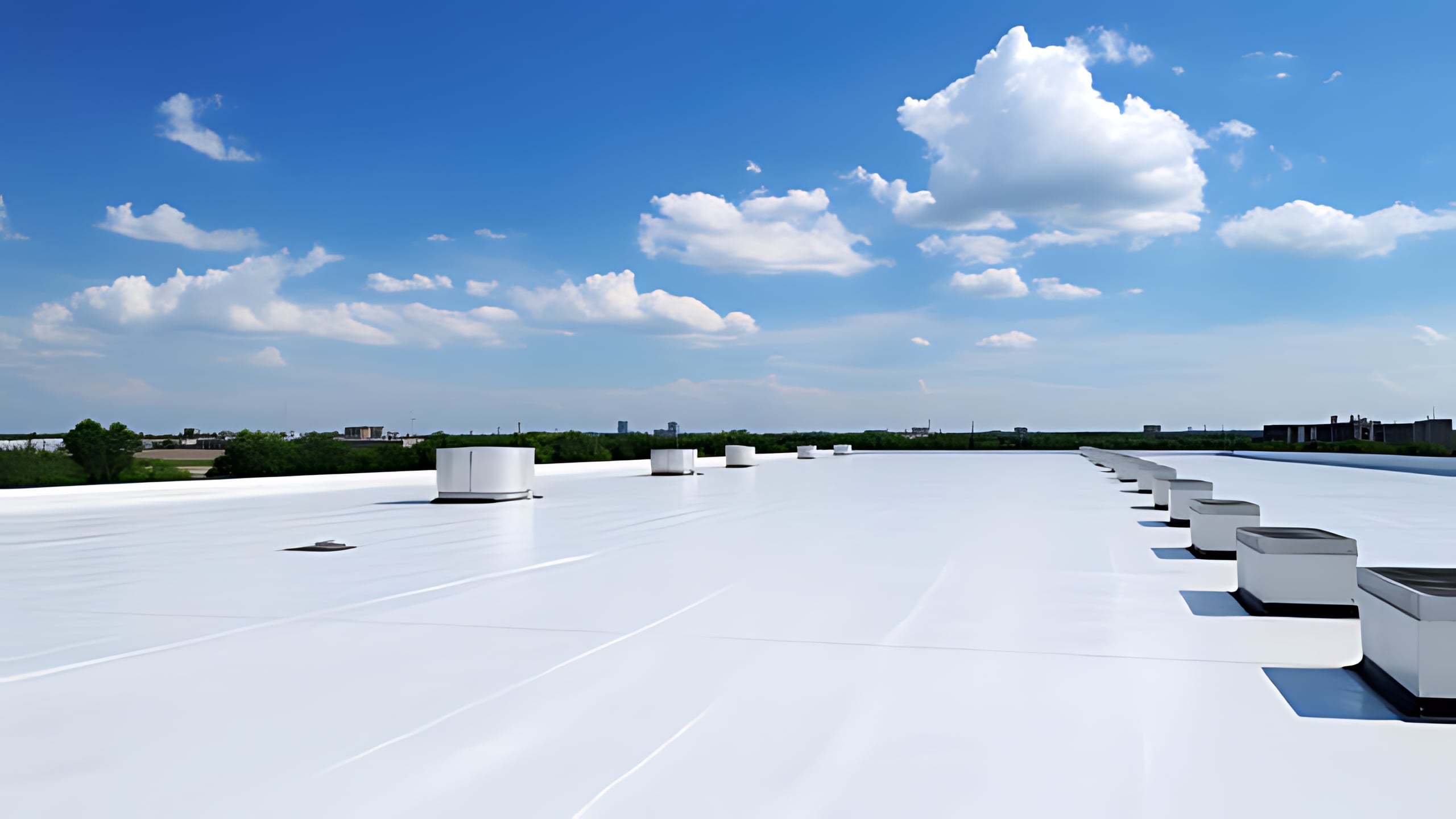

If you are pricing commercial flat roof repair cost, you are usually trying to answer a more important question than “how much is this leak.” You are really asking whether the roof can be stabilized intelligently, whether the problem is isolated or systemic, and whether spending repair dollars now will protect the building or just postpone a larger capital project. Flat roofs make that harder because the visible problem is often only the surface expression of something wider going on below the membrane.
On a low-slope commercial roof, a split seam, puncture, or curb leak may be repairable at a very reasonable cost when the surrounding system is still sound. The same symptom can also show up on a roof that has wet insulation, chronic ponding, movement at the perimeter, repeated patch history, and detail failure around drains or rooftop units. Those two roofs should not be priced or managed the same way. This is why owners get widely different numbers from different contractors even when everyone says they are quoting “the same leak.”
This guide is meant to function as a high-intent repair-cost framework for 2026. We will look at what actually drives flat roof repair pricing, how TPO, PVC, EPDM, mod-bit, and coated metal differ, what emergency response changes in the budget, and how to tell when a repair quote is protecting the asset versus buying a little more time on a roof that is already losing the fight. If you want a budgeting guide that matches real field conditions instead of generic averages, this is the right place to start.
Commercial Roofing Paths
This guide should keep sending readers back into the commercial service cluster so informational traffic supports bid-ready pages.
Next steps from this article should include commercial roofing services, flat roofing systems, commercial roof maintenance, property management roofing.
Request a commercial roofing bid
Turn research into a real scope review.
Request a commercial roofing bidWhat Actually Drives Commercial Flat Roof Repair Cost
The first thing owners should understand about commercial flat roof repair cost is that pricing is rarely tied to square footage alone. A ten-square-foot patch on a low, accessible, relatively new membrane may be straightforward. A similar visible problem on a taller building with limited access, active tenants below, dense mechanical equipment, and signs of underlying moisture can cost far more because the labor conditions and risk profile are completely different. On commercial flat roofs, labor and diagnosis usually drive the number as much as materials.
Cause matters too. A single puncture from service traffic is a different repair class than recurring leaks around an HVAC curb, a drain bowl holding water for days after storms, or seam fatigue on an aging membrane. When the failure mechanism is localized, the repair can often stay localized. When the failure is being fed by ponding, thermal movement, poor drainage, or broader membrane wear, the repair scope has to widen or the problem simply returns. That is why some estimates feel “high” compared with the apparent size of the leak. The contractor may be pricing the real corrective work rather than just the visible symptom.
Hidden moisture is another major cost driver. Once water gets through a low-slope membrane, it can travel into insulation and substrate below the immediate opening. A clean surface patch may not be enough if the assembly is wet under the surrounding field. Depending on the roof type, the repair may need exploratory cuts, insulation replacement, deck drying, or a larger cut-and-patch area to restore the membrane properly. Good contractors price for that risk explicitly. Weak contractors ignore it until the roof is opened and then act like the change order came out of nowhere.
Owners should therefore think about repair cost in four buckets: diagnosis, access, membrane-specific repair method, and hidden-condition exposure. Once you see those buckets clearly, it becomes much easier to read commercial repair proposals and understand why two bids for the “same roof” may not be talking about the same work at all.
- Flat roof repair cost is usually driven by labor conditions and diagnosis depth as much as by material quantity.
- Localized punctures and recurring drain or curb failures should not be priced the same way.
- Hidden moisture below the membrane is one of the biggest reasons repair scope expands mid-project.
- Access, occupancy, and rooftop equipment congestion can materially change production cost.
- A credible proposal prices the real failure mechanism, not just the visible opening.

How Membrane Type Changes Repair Cost on Flat Roofs
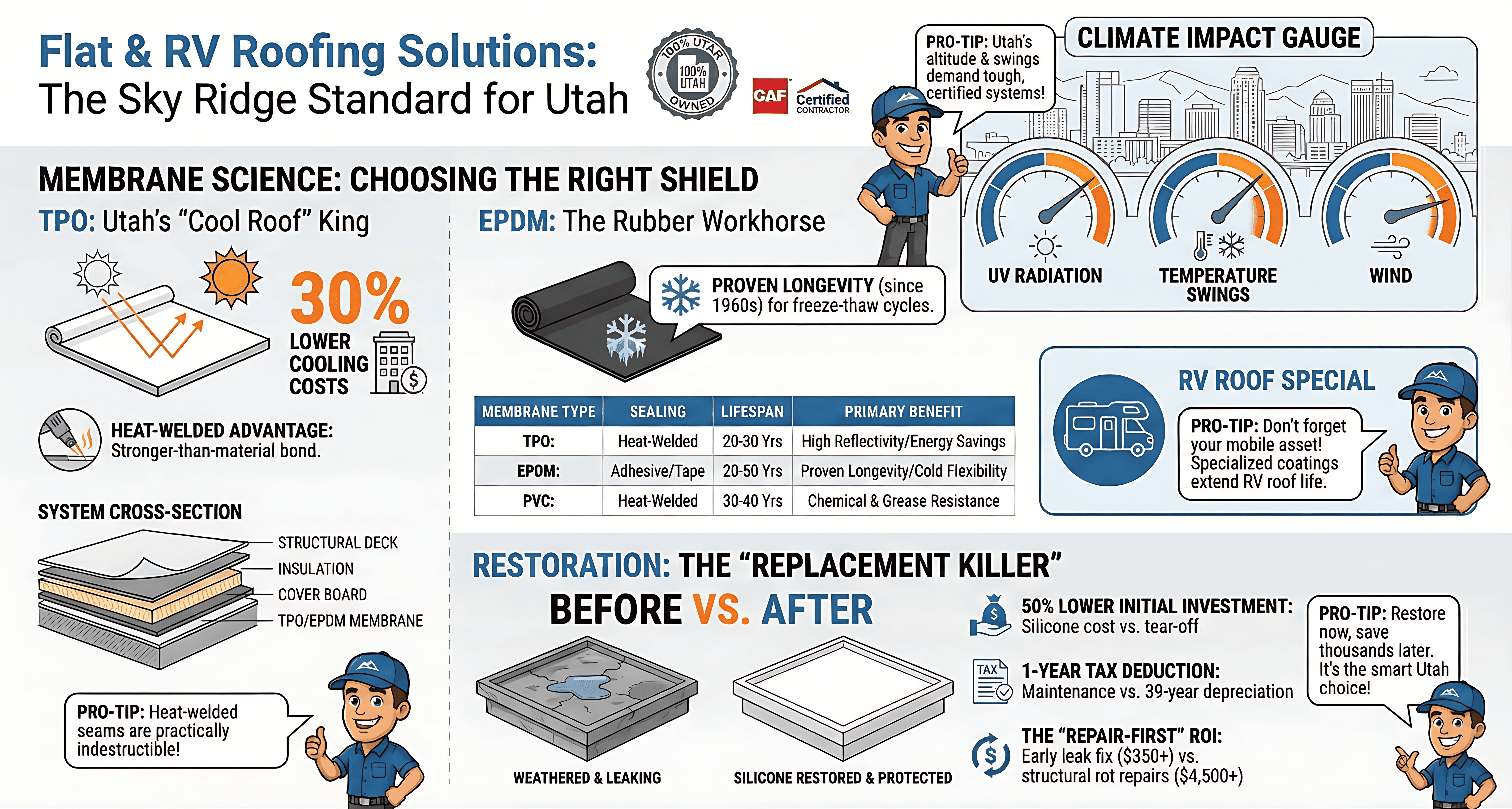
Not every flat roof repairs the same way. TPO and PVC are heat-welded systems, so a durable repair often involves surface prep, probing, test welds, flashing review, and new membrane patches or reinforced seams that can be fused back into the existing roof. EPDM uses a different chemistry, relying on primers, tape systems, uncured flashing, and careful adhesive preparation instead of hot-air welding. Modified bitumen and BUR systems may involve torch work, cold-process materials, cap-sheet replacement, or asphalt-based detailing. That difference is not academic. It is one of the clearest reasons costs vary.
Age interacts with membrane type too. A newer TPO roof with one puncture is often a clean repair scenario. An older TPO or PVC roof that has weathered heavily may require more verification to ensure new patches will bond or weld properly. EPDM roofs can show the same problem when contamination, old coatings, or long-term weathering make seam preparation more complex. On mod-bit or BUR, the crew may need to open more of the assembly to tie into stable surrounding material rather than trying to preserve weak sections around the repair zone.
Commercial flat roofs also include accessories and details that may cost more to repair than the open field. Pipe penetrations, pitch pockets, drain bowls, expansion joints, parapet flashings, coping edges, and rooftop equipment curbs all ask more from the membrane than a standard field patch does. If the roof leak is tied to one of those details, the repair cost can rise quickly because the work becomes more technical and less repetitive. That is especially true on buildings with older retrofits where multiple trades have modified the roof over time.
For owners, the practical takeaway is simple: membrane label and detail location should be treated as core pricing variables. If an estimate describes the roof only as a “flat roof” without identifying the system and the specific detail being repaired, it probably is not a strong scope yet.
- TPO, PVC, EPDM, and modified bitumen each require different repair methods and tools.
- Aging membranes often raise labor cost because bond quality or weld quality must be verified carefully.
- Drain bowls, curbs, penetrations, and parapet transitions often cost more than simple field patches.
- Older retrofits can complicate flat roof repair because multiple systems may intersect at one detail.
- Repair proposals should identify both the membrane type and the exact failure location.

Emergency Flat Roof Repair Cost vs Planned Repair Cost
Emergency response almost always costs more than planned repair because urgency changes everything.
If water is entering tenant space, inventory storage, offices, or equipment areas, the first job is to stop damage now.
That may require same-day mobilization, temporary dry-in, interior protection, after-hours work, and a staged plan that is focused on stabilization before permanent repair can happen.
Owners should not compare that invoice directly against a scheduled repair quote on a dry day and assume one side is overcharging.
They are pricing different situations.
Planned flat roof repair gives the contractor time to inspect thoroughly, verify moisture conditions, coordinate access, order the right membrane accessories, and repair the actual failure instead of just calming the leak. In many cases, the smartest move is a two-stage approach: emergency dry-in first, then permanent repair once the roof can be opened and corrected properly. This often leads to better workmanship and lower total lifecycle cost, even if the first emergency visit feels expensive in isolation.
Owners should also account for the building’s sensitivity. A flat roof over a warehouse with noncritical storage is one thing. A flat roof over medical space, food service, server rooms, or active retail is another. Emergency costs rise when the consequences of delay rise. That is not padding. It is the cost of speed, coordination, and risk reduction in a live building environment.
The takeaway is that emergency flat roof repair cost should be read as part of a sequence, not as the whole story. If the emergency work prevents interior damage and buys time for a smarter permanent repair, it is often money well spent. The mistake is assuming the emergency response was meant to replace the full corrective scope forever.
- Emergency flat roof repair includes rapid mobilization and temporary protection, not just final correction.
- Planned repair usually produces a better long-term result because the cause can be diagnosed properly.
- Occupied or sensitive buildings often carry higher emergency response cost because delay is more expensive.
- A two-stage dry-in plus permanent repair sequence is often the smartest low-slope strategy.
- Owners should evaluate emergency cost as damage prevention, not as a substitute for final repair.
When Flat Roof Repair Stops Being the Smartest Use of Money
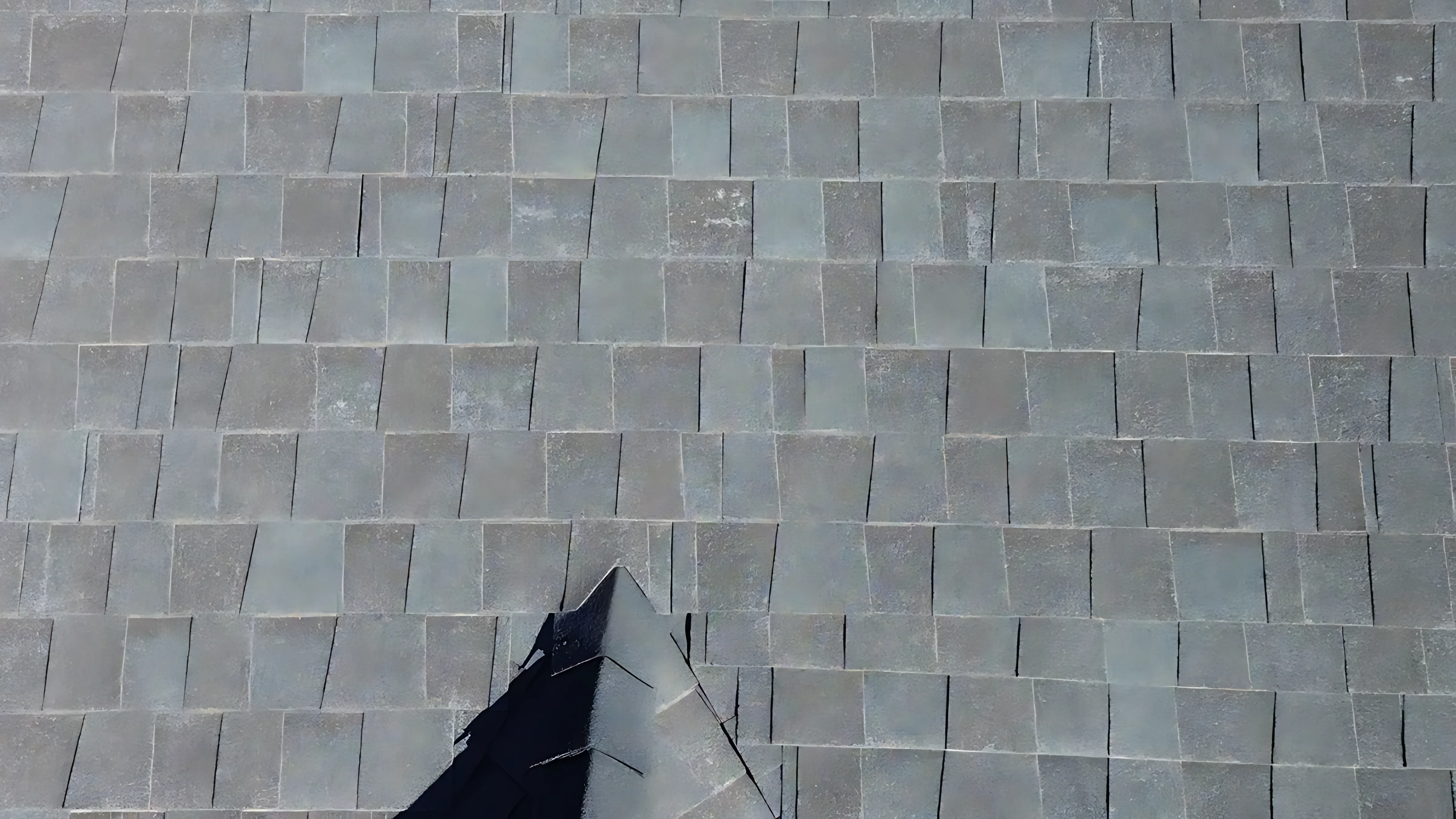
Repair is the right answer when the membrane system still has meaningful life and the failure is localized enough that corrective work can restore confidence. It becomes weak value when leak calls keep recurring, ponding remains unresolved, patch history is spreading across the roof, or wet insulation is becoming a repeating theme in every proposal. At that point, owners are not really solving a discrete repair anymore. They are financing the decline of the asset one invoice at a time.
That does not mean replacement is always the next step. Some roofs are better candidates for restoration or coating if the substrate is still sound and the current assembly can be preserved. Others are already beyond that point and need broader capital planning. The critical thing is that the repair quote should help you understand which situation you are in. If the contractor can explain that the repair is expected to buy another year or two while you plan a larger project, that can still be a smart use of funds. If the same contractor says the roof is likely to keep leaking in adjacent areas because the underlying condition is broader, the repair should be read as temporary by design.
Flat roof ownership gets easier when repair dollars are spent with context. Ask how much confidence the proposed repair actually restores. Ask whether the same water pattern is likely to reappear. Ask what broader project the repair is delaying or potentially avoiding. Owners who frame the decision that way usually make better choices than owners who ask only whether the next invoice is affordable.
In the end, the most valuable repair quote is not just the one with the right number. It is the one that tells the truth about where the roof stands in its lifecycle and what this repair is realistically expected to accomplish.
- Repair is strongest when the failure is localized and the surrounding low-slope system is still sound.
- Recurring leaks, chronic ponding, and repeated wet insulation usually weaken repair economics.
- Some flat roofs should be compared against restoration, not just replacement.
- Good repair guidance explains how much confidence the repair is expected to restore.
- Lifecycle context matters more than the next invoice total by itself.
How to Compare Flat Roof Repair Proposals Without Guessing
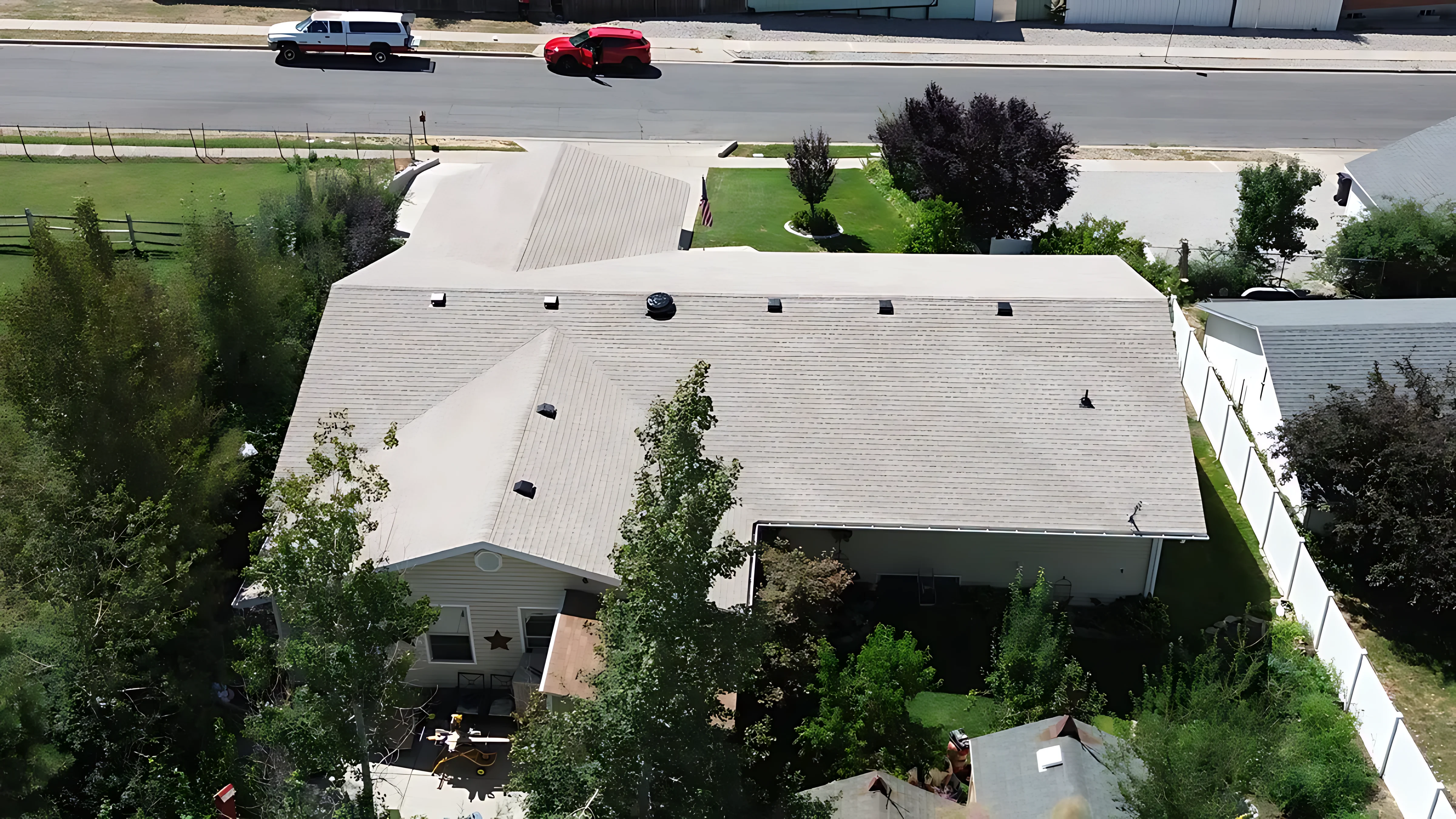
Owners comparing flat roof repair numbers should start by asking whether the proposals describe the same problem in the same way. One contractor may be pricing a localized patch. Another may be pricing exploratory cuts, insulation replacement, and a larger cut-and-patch because they believe the moisture spread extends beyond the visible opening. A third may be pricing temporary dry-in with a recommendation to revisit the permanent repair after conditions are confirmed. Those are not small differences in style. They are different theories of the roof condition, and the money follows those theories.
The strongest proposals identify the membrane type, probable failure location, intended repair method, and assumptions about hidden conditions. They also explain whether the contractor expects the repair to restore confidence for years or whether the roof is likely to continue producing issues because broader drainage, age, or moisture problems remain. Weak proposals usually sound simpler because they skip the assumptions. That may feel comforting on the front end, but it often produces frustration once work starts and hidden-condition discussions appear.
Owners should also compare what is being protected operationally. If the building is occupied, sensitive, or leak-vulnerable below the damaged area, some repair scopes will include staging, interior protection, or temporary weatherproofing that others leave out. Those items do not make the contractor “more expensive” in a useless way. They may simply make the contractor more complete. Commercial low-slope work often sits directly over valuable equipment, tenant space, or inventory, so roof repair cost should always be read in light of what is being protected below.
When in doubt, ask each contractor the same questions: what do you think failed, what exactly are you replacing, what hidden conditions do you expect, and how much confidence should this repair restore? The proposal that answers those questions clearly is usually the one worth taking most seriously.
- Flat roof repair proposals often differ because the contractors are diagnosing different scope realities.
- Hidden-condition assumptions should be explicit in any serious low-slope repair estimate.
- Operational protection for the occupied building below the roof is part of cost, not an optional extra.
- Simple-sounding proposals are not always stronger proposals.
- Asking the same questions across bids makes it easier to compare repair logic instead of price alone.
Wrapping it up
Commercial flat roof repair cost only becomes useful when it is tied to the actual roof system, the actual cause of failure, and the actual risk hidden below the membrane. Ponding, membrane type, wet insulation, access, emergency timing, and building use all shape the number far more than a simple “patch size” estimate ever will. Owners who understand those drivers are much better equipped to tell the difference between a repair quote that protects the building and one that only patches the symptom.
That matters because low-slope roofs reward clarity and punish wishful thinking. If the repair scope is honest about what failed, what will be rebuilt, and how much confidence the work should restore, the spending decision gets much easier. That is the point where repair cost stops being a mystery and starts becoming a planning tool.
Questions this guide answers
Quick answers tied to commercial flat roof repair cost.
Utah Roof Repair Hub
Compare repair costs, local pros, and professional guidance to ensure your Utah roof is restored correctly and efficiently.
Core Repair Pages
Priority Local Pages
Commercial Roofing Hub
Access specialized asset protection for Utah commercial properties, flat roofing systems, and multi-family developments.
Commercial Services
Utah Flat Roofing Hub
Specialized installation and repair of TPO, EPDM, and PVC membrane systems for Utah residential and commercial properties.