
I remember a call I got from a guy in Murray a few years back. He had a bucket in his living room, a bucket in his kitchen, and he was looking at me like I was the only person who could save his hardwood floors. "Ricky," he said, "I've tried everything. I've used three tubes of caulk, but every time the wind blows from the north, my ceiling starts crying." It's a helpless feeling when your own home isn't keeping you dry!
Here's the thing about asphalt roof leak repair: most people spend 90% of their time fixing the wrong thing. They see a spot on the ceiling and they go up and dump a gallon of tar right above it. But water doesn't move in a straight line! It's like a mountain stream; it follows the path of least resistance, hopping from a shingle to a rafter to a light fixture before it finally hits your floor. If you want to stop the leak, you have to stop thinking like a homeowner and start thinking like a raindrop. I've spent forty years chasing water across Utah's Wasatch Front, and I'm going to show you exactly how to win the war against the drip in 2026.
Leak Detection 101: Hunting the Invisible Drip
The biggest mistake I see in asphalt roof leak repair is "guessing." If you aren't 100% sure where the water is coming in, you aren't repairing; you're just decorating your roof with expensive goop. I always tell my guys that the roof is a crime scene, and the water is the suspect. You have to follow the tracks! My favorite trick is the "Attic Stakeout." Grab a powerful flashlight and head up into that dusty attic while it's actually raining. Look for the "shiny" spots on the wood rafters. Water glimmers under light, and you can follow that trail all the way up to the highest point.
If it's a dry day in Utah, you can still find the suspect. Look for "rust rings" around nails or white, powdery stains on the plywood (that's called efflorescence). These are the calling cards of a recurring leak. I once spent three hours in a hot attic in Draper just to find a single nail that had "popped" up and was acting like a straw. Every time the snow melted, it would suck water straight into the master bedroom. It was a $0.50 problem causing $5,000 in stress! Don't just look at the shingles—look at the bones of the house. That's where the truth is hidden.
Professional Takeaways
- The Attic Stakeout: Hunt for "shiny" wood while it's actually raining
- Rust Rings: A rusty nail head is a 100% guarantee of a nearby leak
- Follow the Rafter: Water rarely drips straight down; it "hugs" the wood slopes
- Skyridge Ricky's Tip: If you can't find it, have someone run a garden hose on the roof while you stay in the attic!
Common Asphalt Culprits: It's Almost Never the Shingle
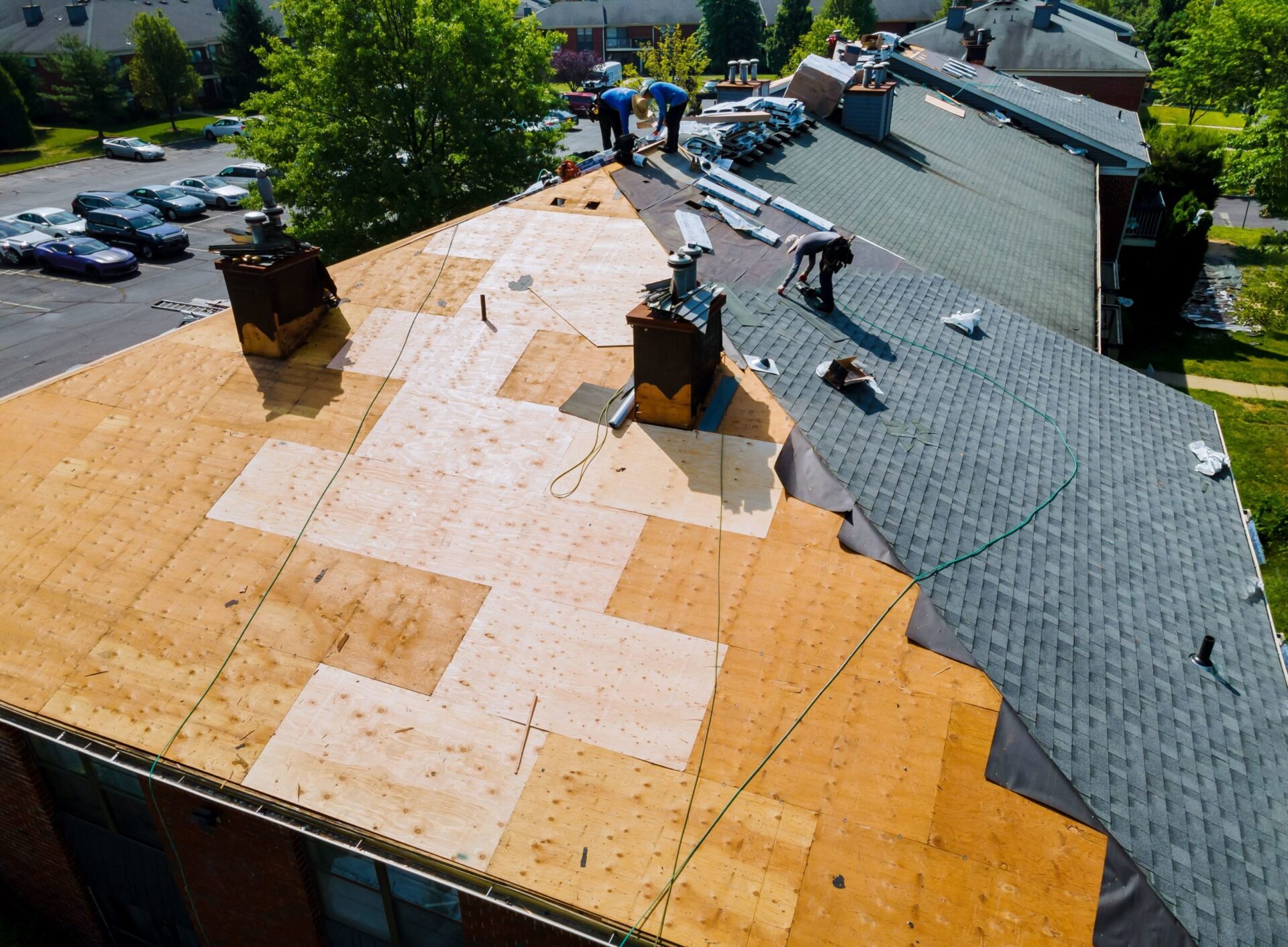
I'm going to tell you a secret that most roofers don't want you to know: modern asphalt roof leak repair rarely involves a "bad shingle." Asphalt shingles are actually pretty tough! Unless they are 25 years old and curling like a potato chip, they usually do their job. The real "villains" in my stories are almost always the interruptions—the places where we had to cut a hole in the roof for something else. I'm talking about chimneys, plumbing vents, and valleys. These are the front lines of the battle, and that's where 99% of my repairs happen.
Take the "pipe boot" for example. That's the rubber collar that sits around the pipes sticking out of your bathroom roof. In the Utah sun, those rubber rings get baked until they are as brittle as a cracker. They crack, and the water just slides right down the pipe like a slide at a water park. When you're researching how to repair leaking roof issues, check those boots first! They have a lifespan of about 8 to 10 years, even if your shingles are rated for 50. I've replaced thousands of them, and it's the single most common repair I do from Logan to St. George.
Professional Takeaways
- Pipe Boots: Rubber fails way before asphalt shingles do
- Chimney Flashing: Metal expands and contracts, eventually cracking the seal
- Valleys: High-volume "rivers" that require heavy-duty ice and water shield
- Skyridge Ricky's Rule: If there is a hole in your roof for a vent, that's where the leak is.
Step-by-Step: The Right Way to Patch an Asphalt Leak
Alright, so you've found the spot, and you're ready to tackle some asphalt roof leak repair yourself. First off, put that bucket of black tar away! I've seen so many "DIY Disasters" where someone just slathered a whole gallon of roof cement over a leak. All that does is trap the moisture underneath and rot out your plywood even faster. It's like putting a thick coat of paint over a rusted car—it looks okay for a week, and then it gets much worse. A real repair means "un-building" the roof a little bit to fix the foundation.
To do it right, you have to gently lift the shingles around the leak using a flat bar. You want to expose the "underlayment"—that's the black paper or synthetic sheet underneath. If that paper is torn or rotted, that's your target. You need to slide a new piece of flashing or ice and water shield underneath the shingles above the leak and over the shingles below it. We call this "shingling in." Water should always flow from a higher surface to a lower one without ever touching wood. If you're just "sealing" the top, you're fighting a losing battle. You have to integrate the repair into the layers of the roof.
Professional Takeaways
- The Flat Bar: Gently lift shingles without tearing them (easier on a warm day!)
- The "Shingle Effect": Always overlap from the top down to shed water naturally
- Flashing Tin: A $5 piece of metal is 100x better than a tube of caulk
- Fasteners: Use galvanized roofing nails and a dab of solar seal on every head
When to Call the Cavalry: The Limits of DIY Repair
I'm all for being handy around the house. I fixed my own truck for twenty years! But I've also learned when a job is over my head. With asphalt roof leak repair, the stakes are high. If you mess up a tile in your bathroom, you have a messy floor. If you mess up a repair on your roof, you have a $20,000 structural rot problem and a mold colony living in your walls. I've seen people try to save $500 on a pro repair and end up spending $15,000 on a full tear-off because the "patch" failed and they didn't know it for a year.
If your roof is steep, if the leak is in a valley, or if you see "soft spots" in the wood when you walk on it—please, call a pro. Soft spots mean the rot has already started, and you might literally fall through the roof if you aren't careful. A professional storm damage roof replacement contractor has the gear to be safe and the insurance to protect you if something goes wrong. Plus, we give you a warranty! If I fix a leak and it drips again next month, I'm coming back to make it right on my dime. That peace of mind is worth more than the $500 you're trying to save.
Professional Takeaways
- Safety First: If the roof is over a 6/12 pitch, stay off it without a harness
- Soft Spots: If the wood "gives" under your boot, the rot is structural
- Warranty: A pro repair should come with a "No-Leak" guarantee
- The "One-Year Check": If your repair doesn't survive a full Utah winter, it wasn't a fix.
Wrapping it up
Dealing with asphalt roof leak repair is a rite of passage for many Utah homeowners. Our weather is just too extreme for roofs to be "set it and forget it." But remember: a leak isn't a disaster; it's a message from your house. It's telling you that a small part of your architectural system needs a little love. If you listen to that message today, you'll save yourself a mountain of heartache tomorrow.
Whether you're hunting the drip yourself or you're ready to have a pro take the ladder, don't wait for the next storm. Water is the enemy of your home's value, and time is its greatest ally. If you need a hand, the crew at Sky Ridge is always ready to climb. We'll find the source, show you the photos, and give you a fair price to keep your family dry for the long haul. Stay dry out there, Utah!
