

Turtle Vents: The Utah Standard
Why these rugged vents are a staple for Wasatch Front roofing
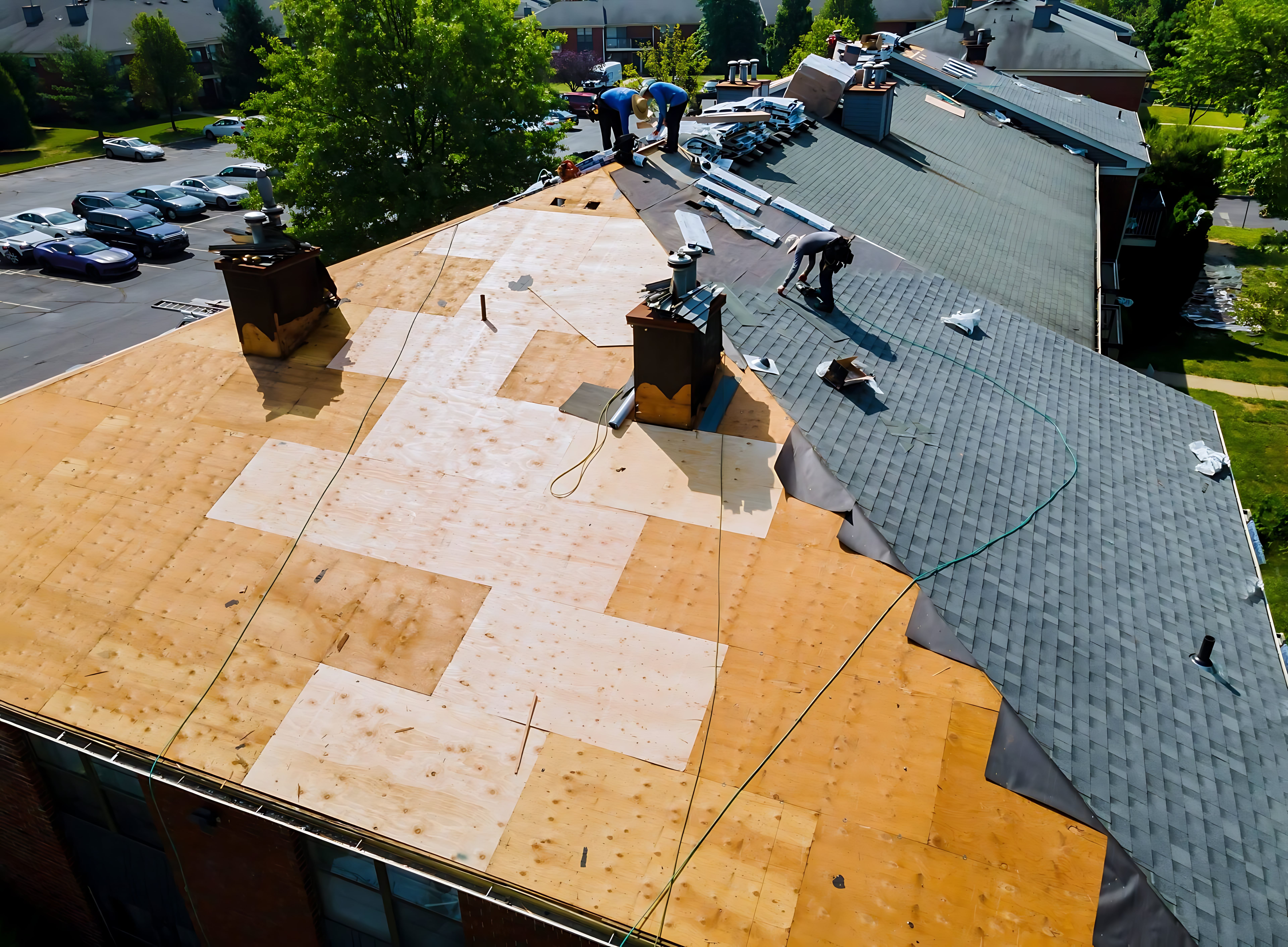



Turtle Vents on Roofs: A Survival Guide for Utah Homeowners
"A roof without proper ventilation isn't just a covering; it's a slow-cooker for your attic and a death sentence for your shingles."
I can't tell you how many times I've climbed up a ladder in Draper or Sandy in the middle of July, and as soon as my head clears the roofline, I feel that blast of 150-degree air. It's brutal! If you're seeing your shingles start to curl or your AC bill is through the roof (literally), we need to talk about your turtle vents.
In this guide, I'm going to break down everything I've learned about the roof vent turtle type over fifteen years of roofing in the Beehive State. We'll look at why they're so common here, how they stack up against ridge vents, and the mistakes I've seen that lead to major leaks.
What Exactly is a Turtle Vent? (And Why the Name?)
So, first things first—why do we call them "turtle vents"? If you look at one, it's pretty obvious. They've got that rounded, low-profile "shell" that sits on top of a hole in your roof. In the industry, we often call them "static vents" or "box vents," but turtle roof vent is what everyone actually says on the job site.
The concept is simple: hot air rises. By cutting a hole near the peak of your roof and covering it with a turtle vent, you're giving that hot, moist air a way to escape. It's passive, meaning there are no fans or motors to break. I've always liked them because they're tough. I've seen plastic ones get brittle in the Utah sun, which is why we almost always recommend the high-quality metal versions that can take a beating from Salt Lake City hail.
One mistake I made early on was not checking the "net free area" of the vents. I thought all turtles were created equal. Nope! You have to make sure you have enough of them to actually move the air. Usually, that means one vent for every 150 to 300 square feet of attic space, depending on your setup.
Ridge Vent vs Turtle Vent: The Great Utah Debate
This is the question I get at almost every estimate: "Should I switch to a ridge vent?" It's a valid question. Ridge vents run along the entire peak of the roof and look very clean. But here's the thing about Utah—we get snow. Lots of it.
I've seen cases in high-elevation Utah neighborhoods where a heavy snowpack completely buries a ridge vent, effectively suffocating the attic. Turtle vents on the roof, however, sit a bit higher and are often placed just below the ridge. This helps them stay functional even when there's a few inches of powder up there.
- Turtle Vents: Better for complex rooflines with many hips and valleys. Easier to add more if you need extra airflow.
- Ridge Vents: More aesthetic, provides continuous airflow along the peak, but can be blocked by heavy snow.
My personal take? If you have a long, straight ridge and you're in the valley (like Murray or West Valley), ridge vents are great. But if you have a complicated roof or you're up on the bench where the snow piles up, those reliable turtles are often the safer bet.
Ricky's Rules for Turtle Vent Install
I've seen too many DIY jobs where the homeowner just slapped some tar around a hole and called it good. That's a recipe for a rotten deck. When Sky Ridge installs a turtle roof vent, we follow three non-negotiable rules:
- 01.The Weave: The vent flange MUST be woven into the shingle courses. Shingles go under the bottom, but OVER the top and sides. Water should always flow on top of the shingle, never under the flange.
- 02.Seal the Nails: Every nail head on that vent needs a dab of high-quality roof sealant. Utah's wind will find any dry nail hole eventually.
- 03.Check the Intake: Ventilation is a two-way street. If your soffit vents are blocked by insulation, those expensive turtles won't do a thing.
Need a Ventilation Audit?
Is your attic too hot? Are you worried about ice dams? Let us check your turtle vents and overall airflow.