
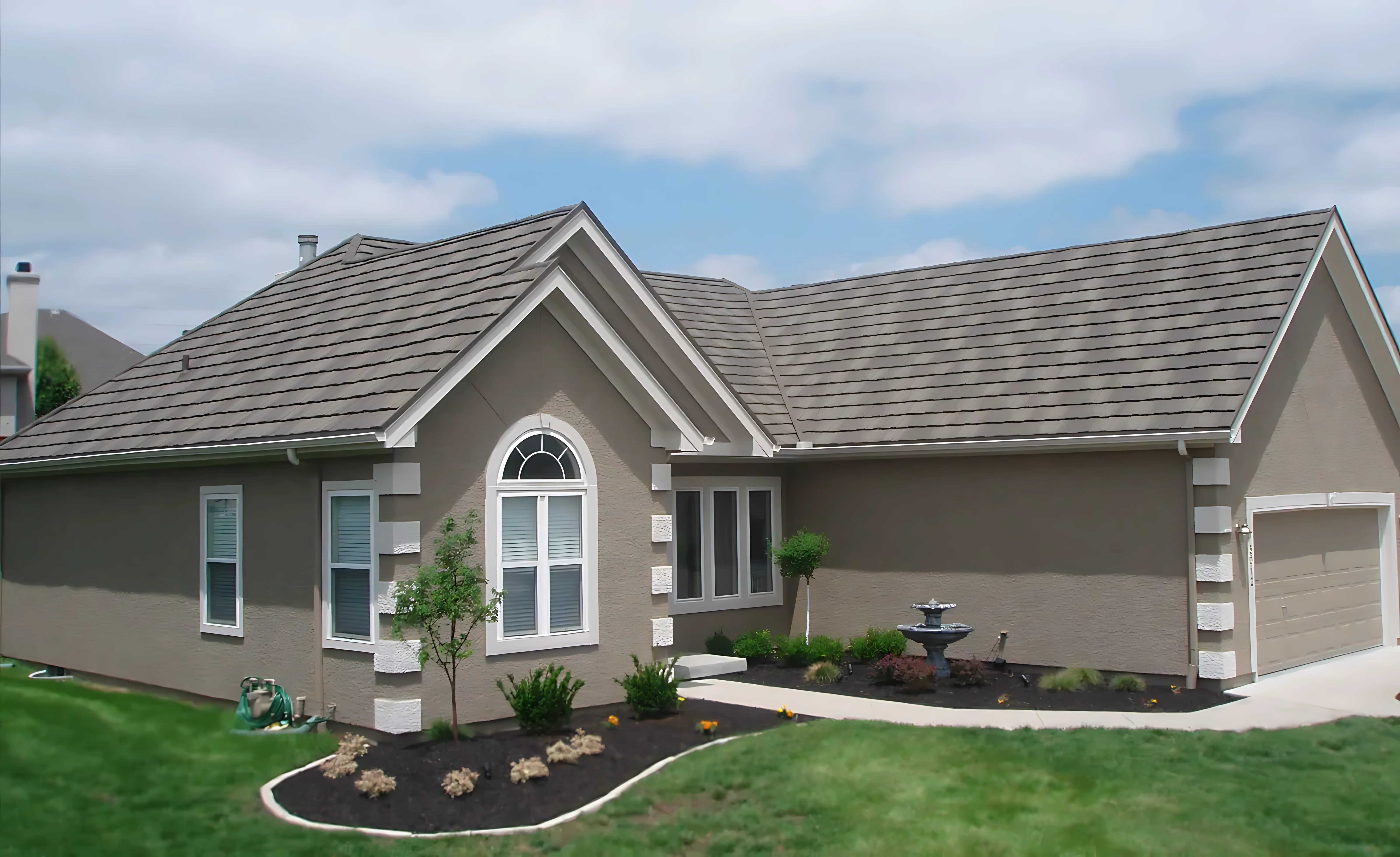
Chimney Services
Fix leaks at roof and masonry transitions


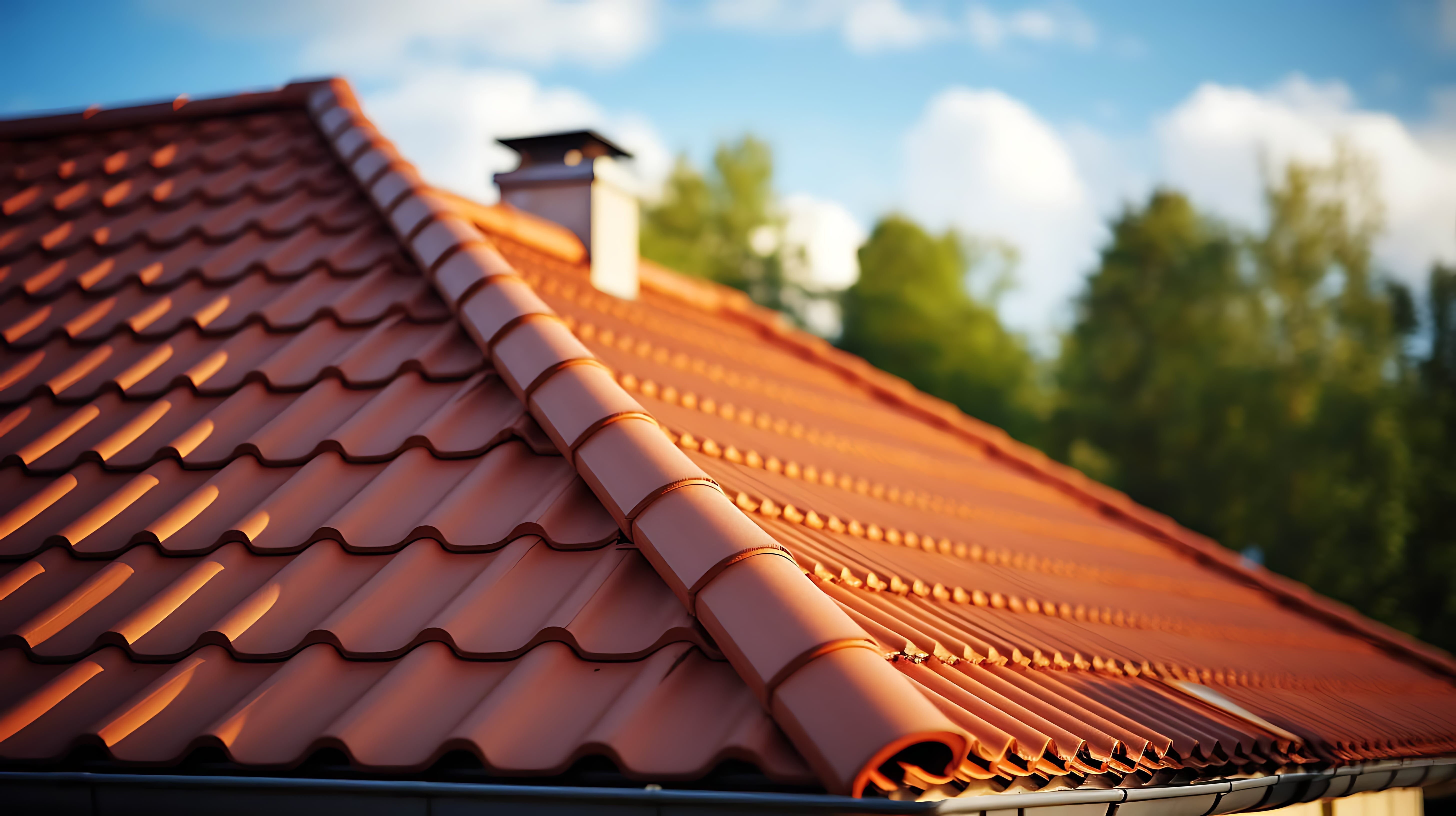
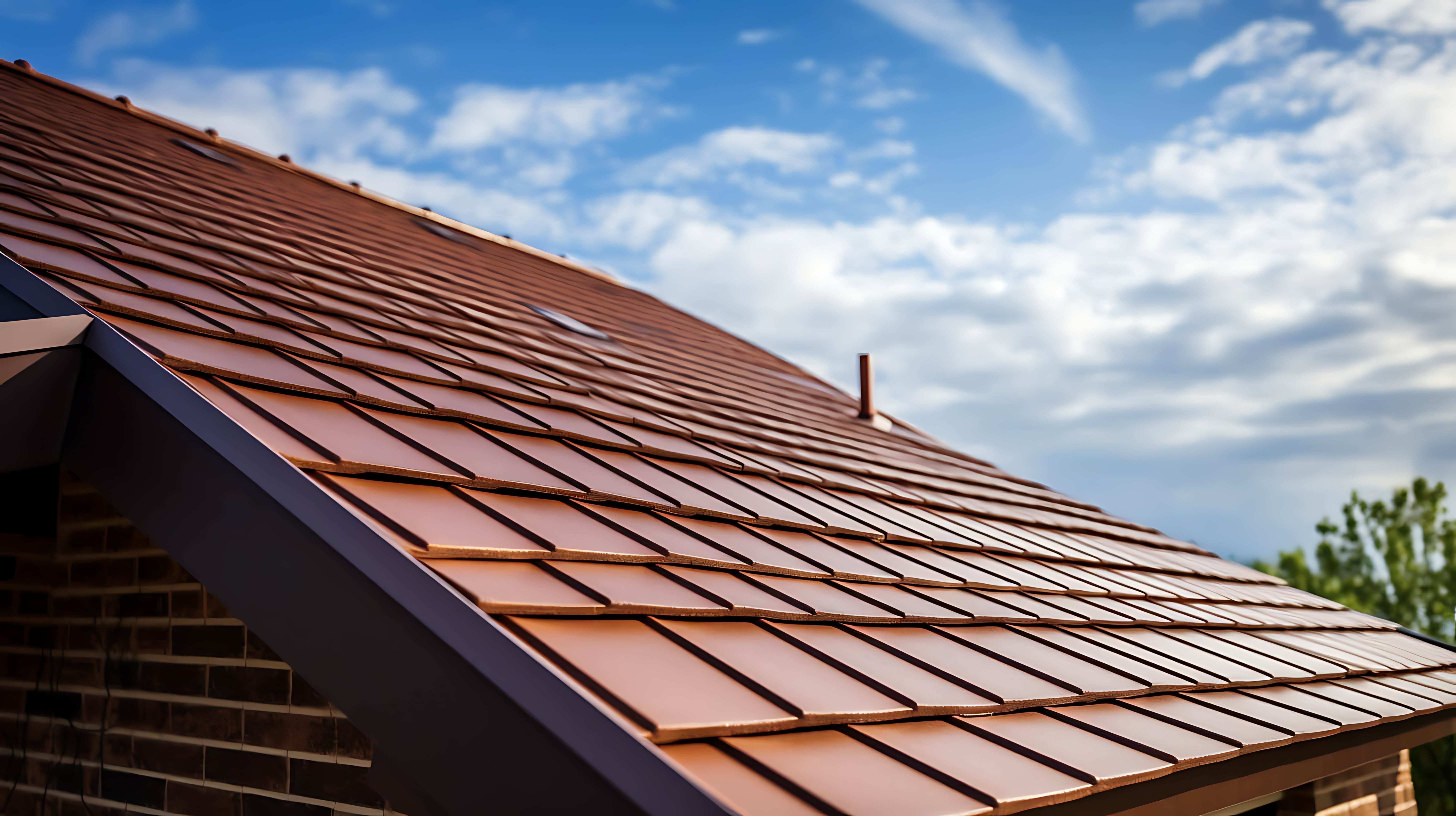
Common chimney leak causes
- Worn or improperly installed step/counterflashing
- Cracked mortar joints or deteriorated masonry
- Damaged chimney caps or crown issues
- Sealant failures around metal chases
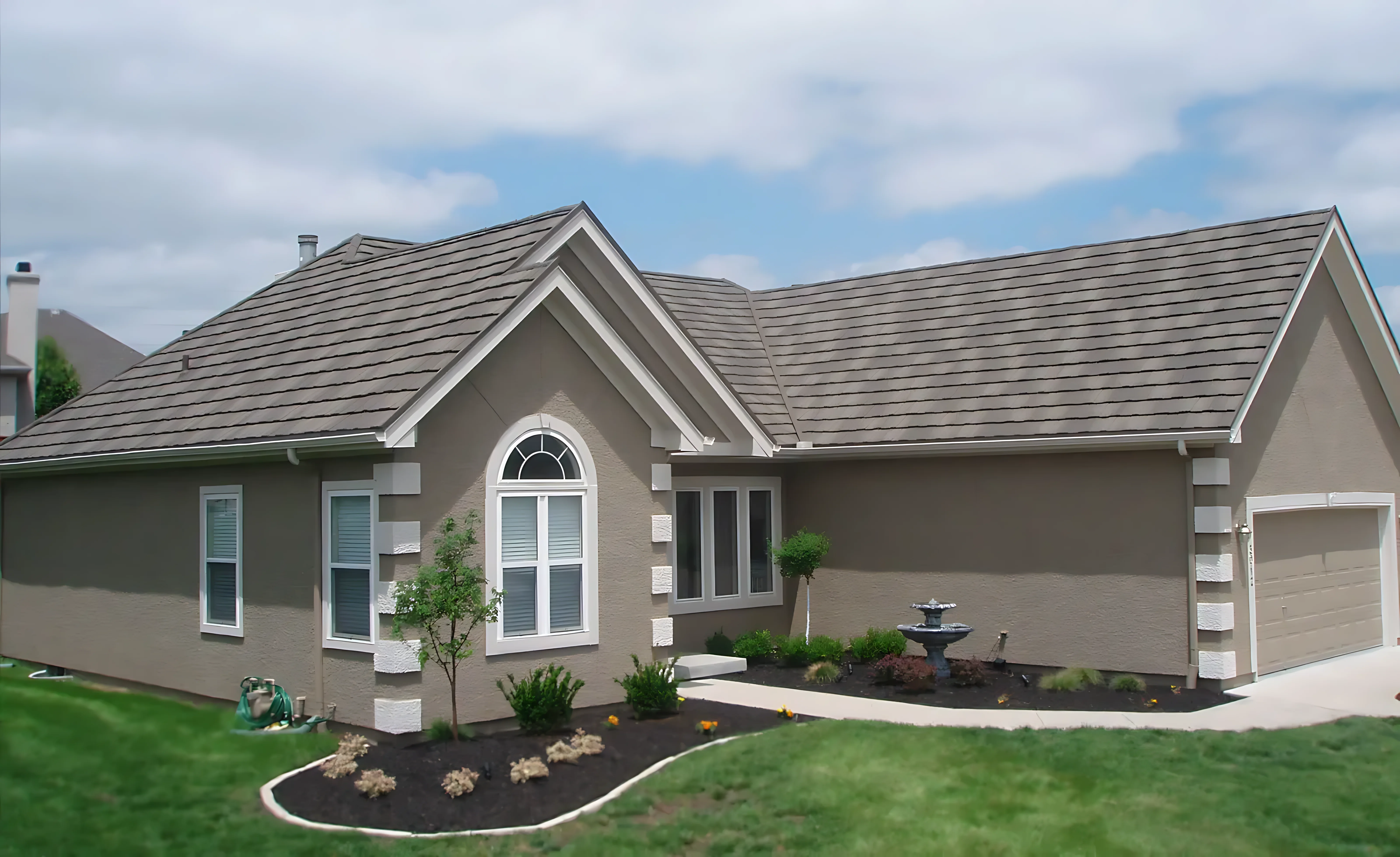
Chimney Flashing Projects
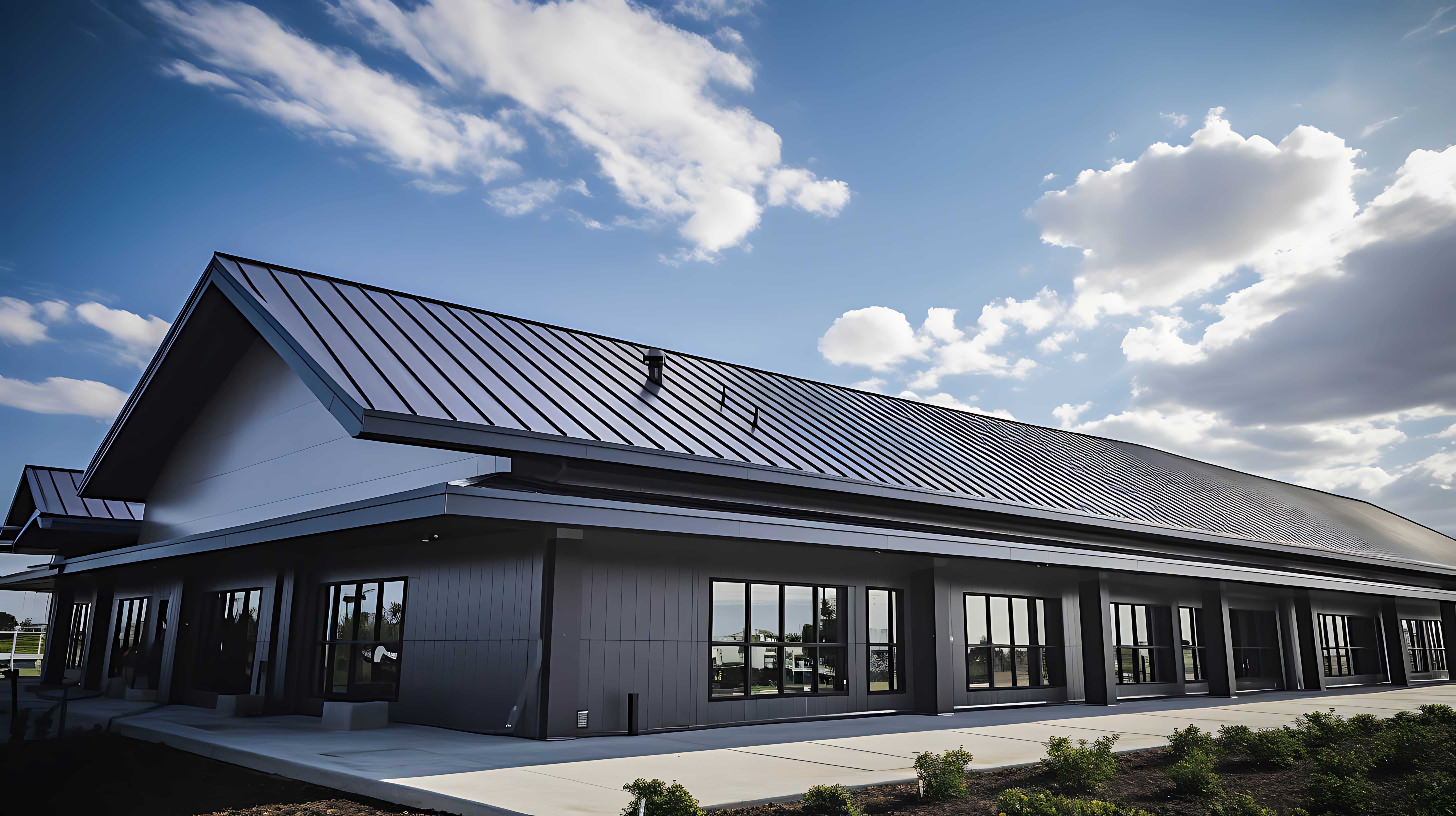
Visual examples of precision metalwork and masonry transitions we've completed across Utah.
Recommended approach
The right fix depends on the source. We start by verifying roof conditions, flashing details, and moisture pathways. If masonry repair is needed, we can coordinate the work and align it with the roofing scope.
Chimneys are one of the most common leak points on any Utah roof. This is because they represent a break in the roofing system where two different materials—shingles (or metal) and masonry—meet. These materials expand and contract at different rates during Utah's extreme temperature swings, which puts immense stress on the flashing and sealant.
Our forensic audit process for chimneys involves checking the cricket (the small peak behind a chimney that diverts water), the step flashing (which weaves between the shingles), and the counter-flashing (which is tucked into the mortar joints). If any of these components are missing or improperly installed, water will eventually find its way behind the shingles and into your attic or onto your ceiling.
We also look for signs of spalling brick or cracked mortar. While many roofing contractors only handle the metal parts, Sky Ridge Roofing understands the relationship between the masonry and the roof. We provide comprehensive solutions that stop leaks at the source, whether that involves new metalwork or coordinated masonry repairs to ensure your home remains watertight through the 2026 winter season.
Chimney Leak FAQ
Why is my chimney leaking only during heavy Utah rain?
Heavy rain often reveals issues with the 'cricket' or 'saddle' behind the chimney. If water isn't diverted properly, it pools against the masonry and forces its way under the flashing. It could also be a sign of saturated masonry where the brick itself is absorbing water.
Do I need to replace my whole roof if my chimney is leaking?
Usually not. In many cases, a targeted flashing repair or a masonry sealant application can resolve the issue. However, if the leak has caused significant decking rot around the chimney, a partial replacement of the shingles and wood in that area may be required.
What is the difference between step flashing and counter-flashing?
Step flashing is the L-shaped metal that goes under the shingles and against the brick. Counter-flashing is the second layer that is cut into the brick mortar and hangs over the step flashing. Together, they create a 'shingle effect' that keeps water out. Most leaks happen when people skip the counter-flashing and just use caulk.
Brick and Mortar Repairs
Cracked joints or spalling brick can undermine flashing. Schedule an evaluation to protect your chimney transitions.