

Evidence Guide
How to Build an Undeniable Claim Case File


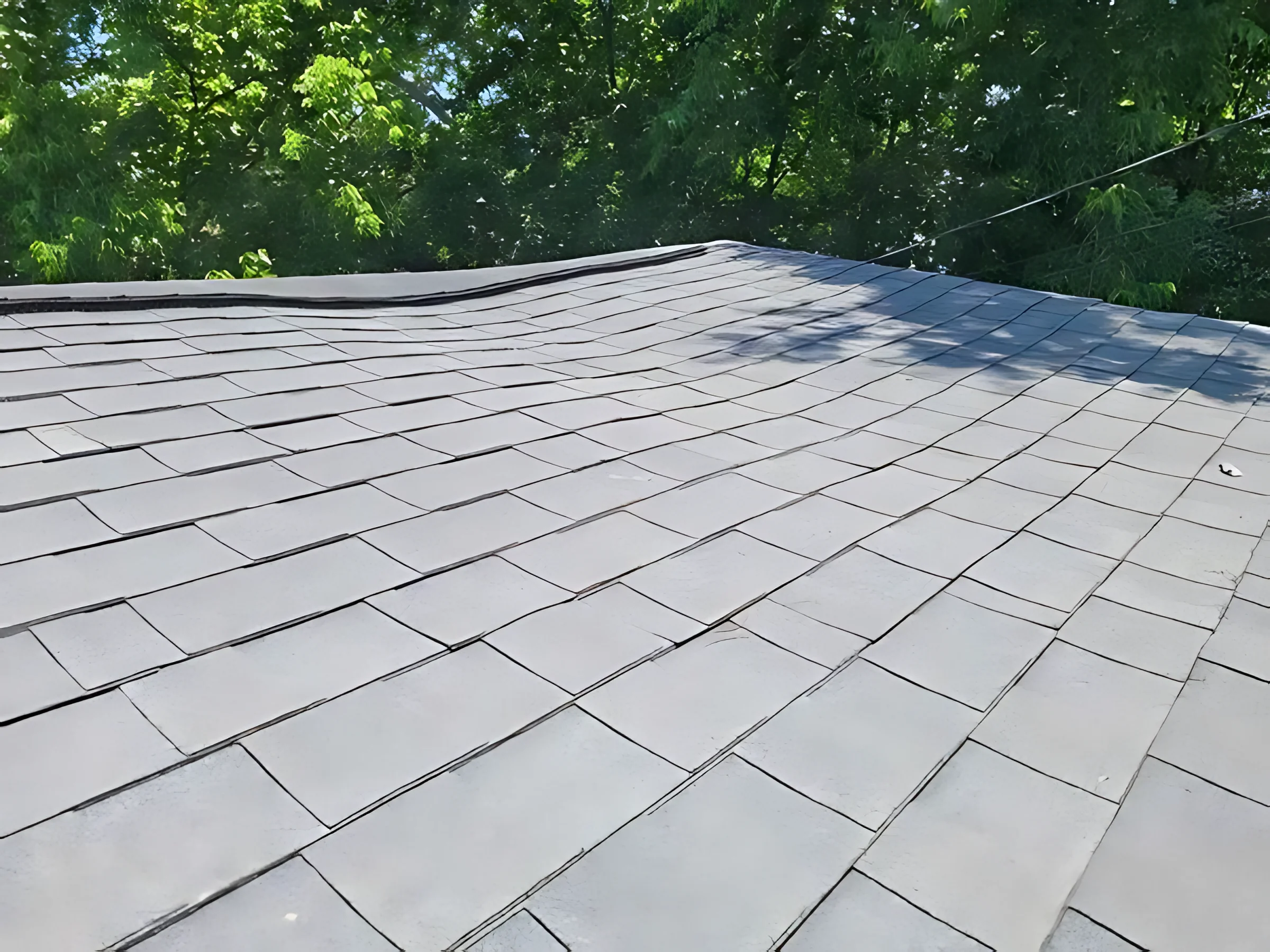

Beyond the Camera Roll
Documentation is not just a camera roll of random snapshots. It should explain what the photo proves, where it is located, and why it matters to the claim scope.
Shingles
Documenting bruising, granule loss, and wind-creases requires specific lighting and professional chalking.
Soft Metals
Dents in vents, gutters, flashing, and AC fins are "collateral indicators" that carriers cannot ignore.
Openings
Skylights, chimneys, and ridge vents are high-stress areas where storm damage leads to rapid leaks.
Interior
Connecting exterior damage to attic moisture or ceiling stains establishes the "consequential loss."

"Organized photos before the adjuster arrives are 10x easier to explain than a disorganized camera roll after the scope is already written."
The Photo Sequence
- 1Wide view of every roof slope (North, South, East, West)
- 2Technical close-up of each storm-damaged area
- 3Collateral evidence file (gutters, screens, fascia, AC)
- 4Interior moisture map (leaks or water staining)
- 5Temporary repair inventory (tarping and receipts)
The Adjuster Meeting File
A complete claim file should include these items before the adjuster arrives:
Build Your Proof File Today
Don't leave your claim to chance. Let Sky Ridge Roofing create the forensic documentation needed to win your case.