Commercial Roofing Experts in Salt Lake City
Specialized commercial roof scopes for repair, restoration, and replacement with building-specific planning. Built for Salt Lake City micro-climates, local permit requirements, and specific neighborhood wear patterns.
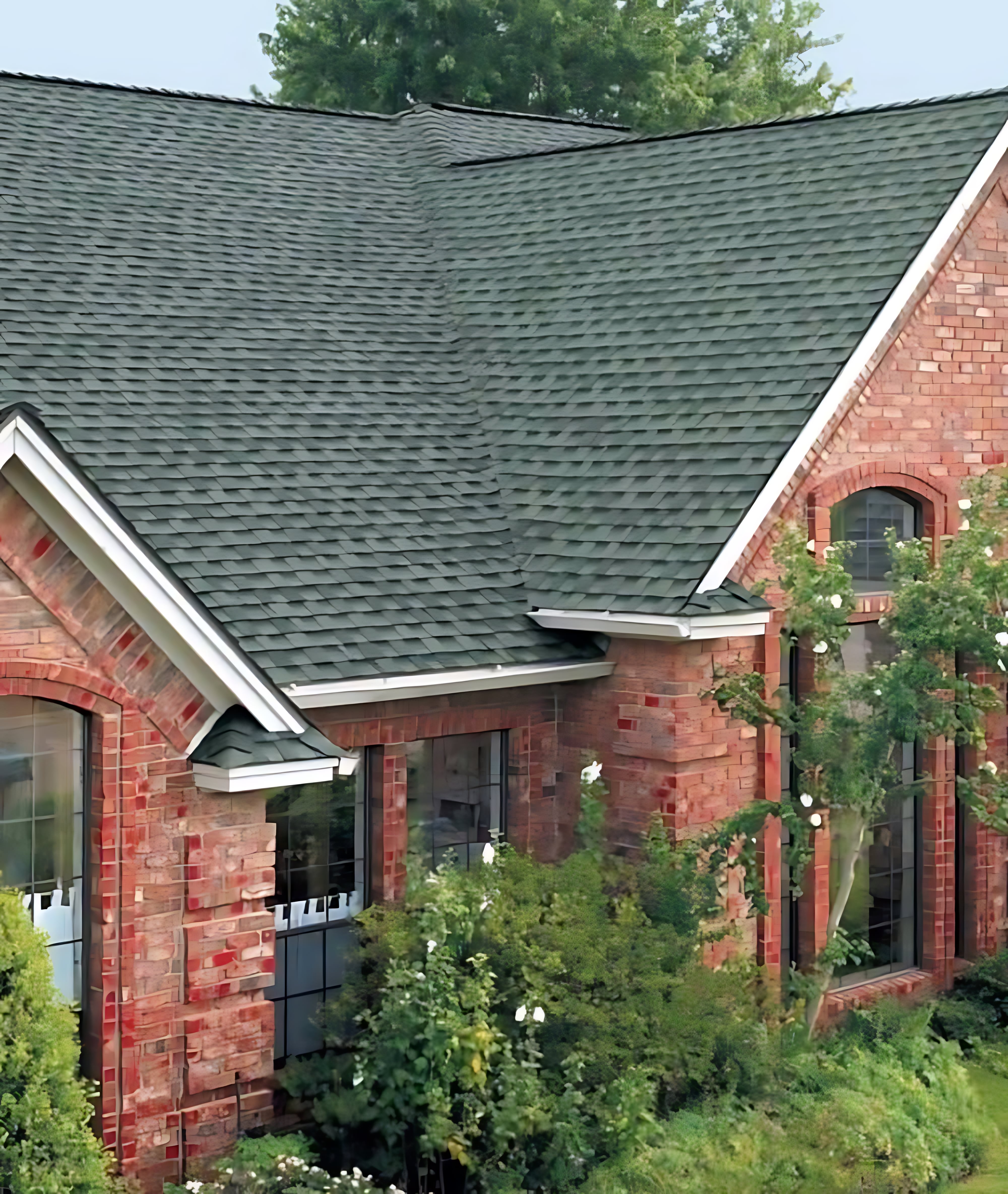
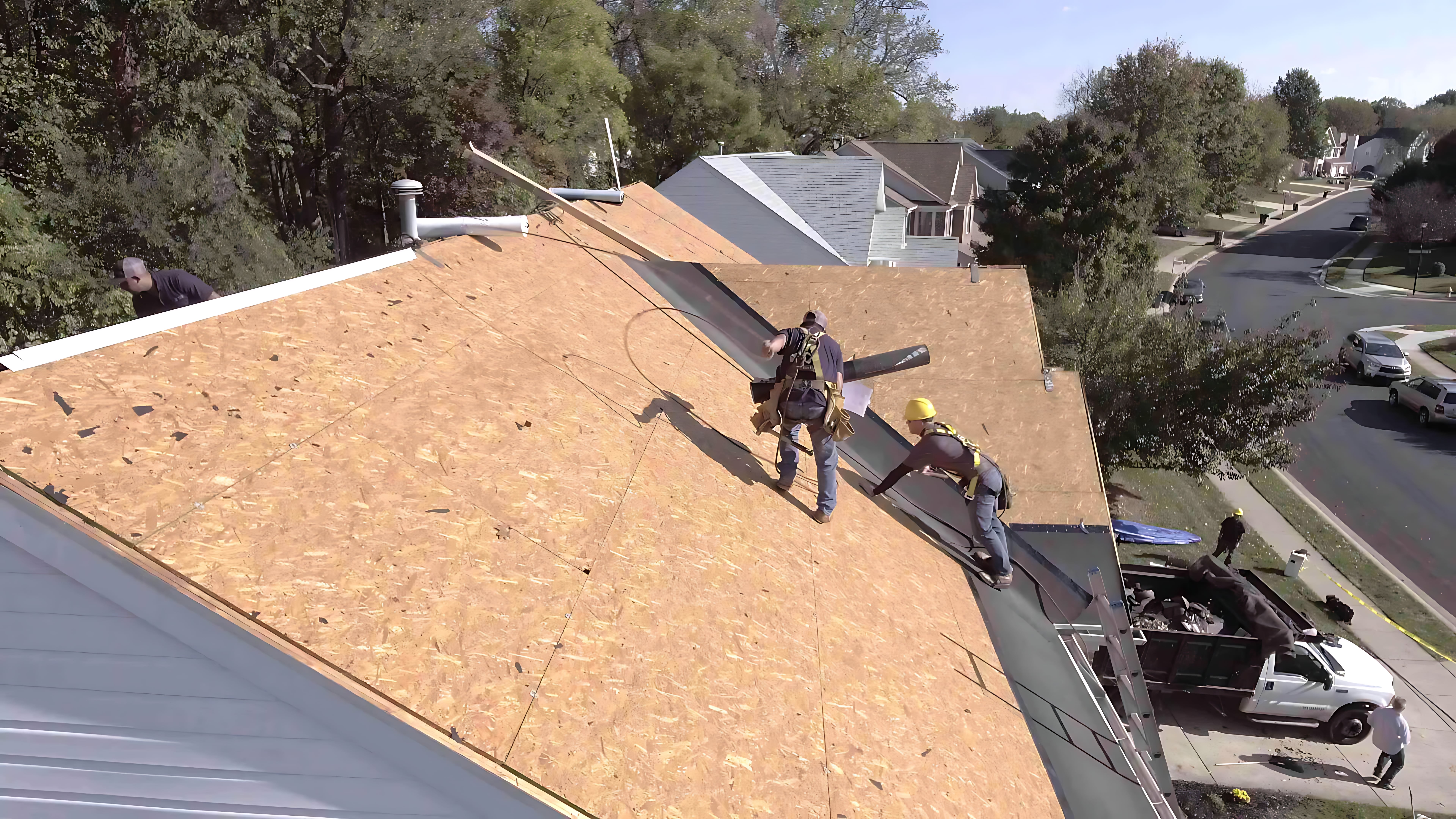
Commercial Roofing Priorities for Salt Lake City
Salt Lake City roofing needs typically center on Urban Heat Island effect and Lake Effect snow patterns resilience. Our commercial roofing work here focuses on forensic condition audits and code-compliant installation details.
For properties in Salt Lake City, roofing performance is often a battle against Urban Heat Island effect and Lake Effect snow patterns. Our technical approach to commercial roofing prioritizes drainage integrity, ventilation balance, and high-wind flashing details that specifically address the local Salt Lake City environment.
Whether you are near The Avenues or in the surrounding Salt Lake City area, we align our scope with documented local conditions rather than a generic Utah template. We factor in the specific mountain-shadow effects, local wind-tunnel patterns, and the particular sun-baked exposure levels unique to this part of the Wasatch Front.
Our Salt Lake City field technicians perform forensic photo-audits on every project. This means we don't just look at the shingles; we inspect the decking integrity, the ventilation net-free-area, and the flashing transitions at chimneys and skylights. This depth of analysis ensures that yourcommercial roofing solution is built for the long-term, not just a quick aesthetic fix.
Commercial Roofing Scope Standards
- Repair, restoration, and replacement planning
- Drainage and penetration review
- Tenant- and schedule-aware project coordination
- Documentation for owners and managers
Evidence-Backed Commercial Roofing in Salt Lake City
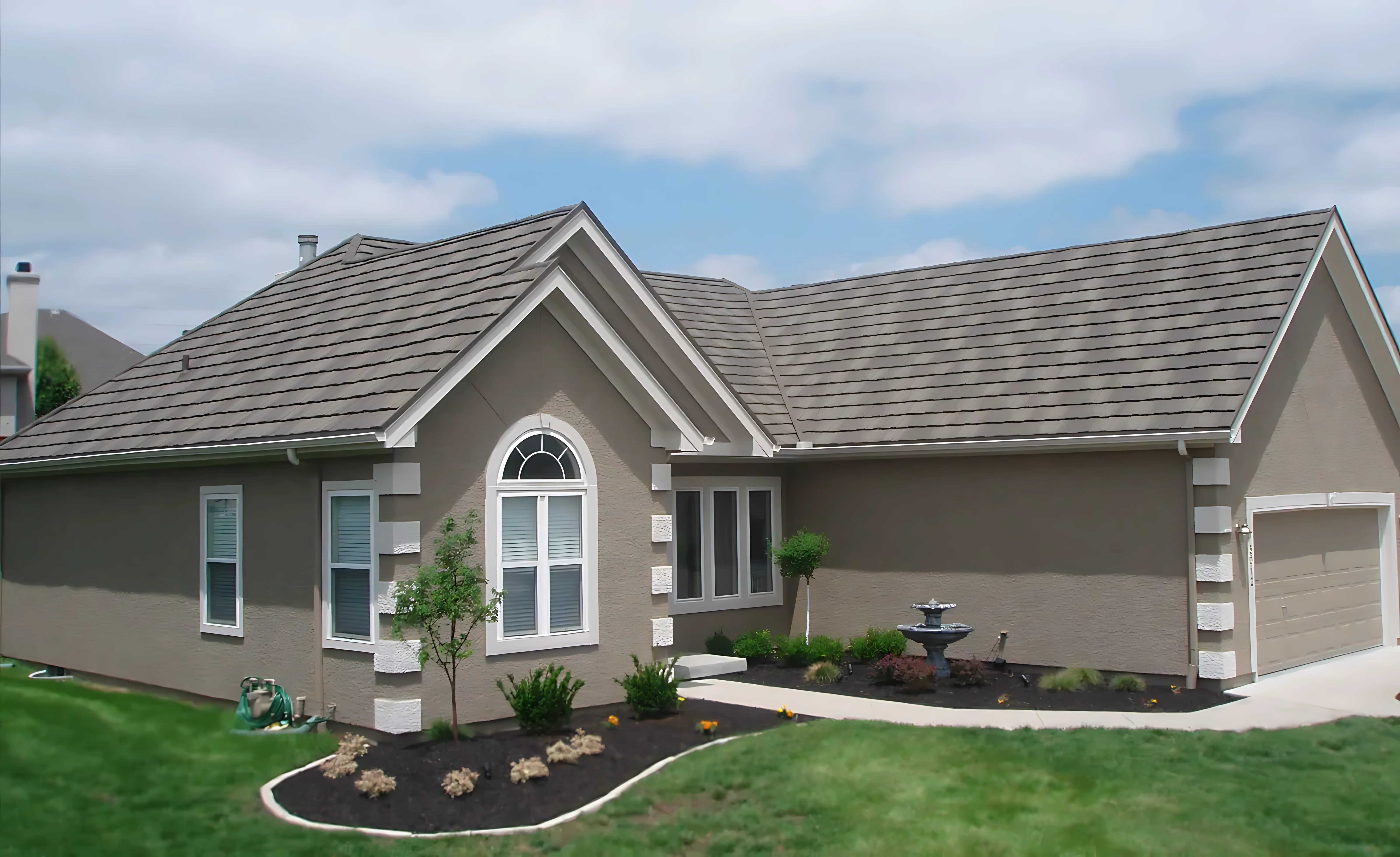
This page is backed by real project assets (photos, materials, and documented scope) instead of a generic template. Every completed job becomes a content asset, and Scarlett refreshes local pages from that proof.
- Leak tracing and moisture mapping
- Targeted repairs to flashing and transitions
- Clean documentation for owners and property managers
Salt Lake City Neighborhood Intelligence
Salt Lake City neighborhoods like The Avenues, Sugar House, East Bench, Capitol Hill, Rose Park, and Central City each present unique roofing challenges—from differing sun exposure intensities to varying wind movement patterns across the local geography. Homes built in different eras within Salt Lake City also share common failure patterns that our team is trained to identify and remediate.
We also factor in local code specifics. In Salt Lake City, IRC 2021 / R905 and SLC seismic standards are standard parts of our initial audit process. Proper snow-load planning for 30-43 psf ensures that your commercial roofing is built for the weight and moisture typical of Salt Lake City winters.
Choosing a local expert for your Salt Lake City roofing needs means you get a partner who understands the micro-climates of the Wasatch Front. We don't just provide a quote; we provide a technical roadmap for your roof's longevity, accounting for the specific environmental stresses it will face in Salt Lake City, Utah.
Properties in SLC often see granular loss from high-altitude UV intensity. Lake effect snow creates persistent moisture loads on east-facing slopes.
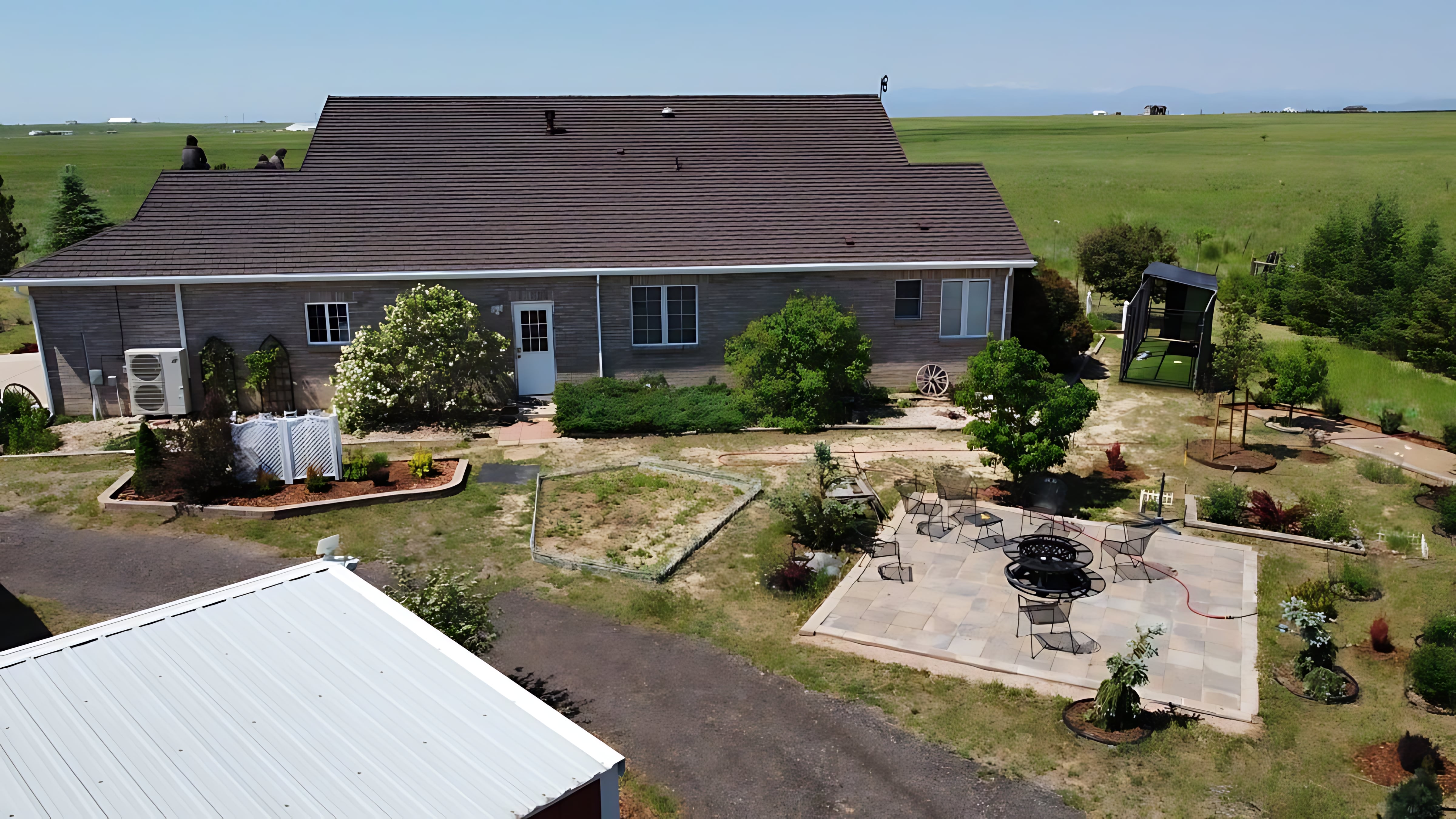
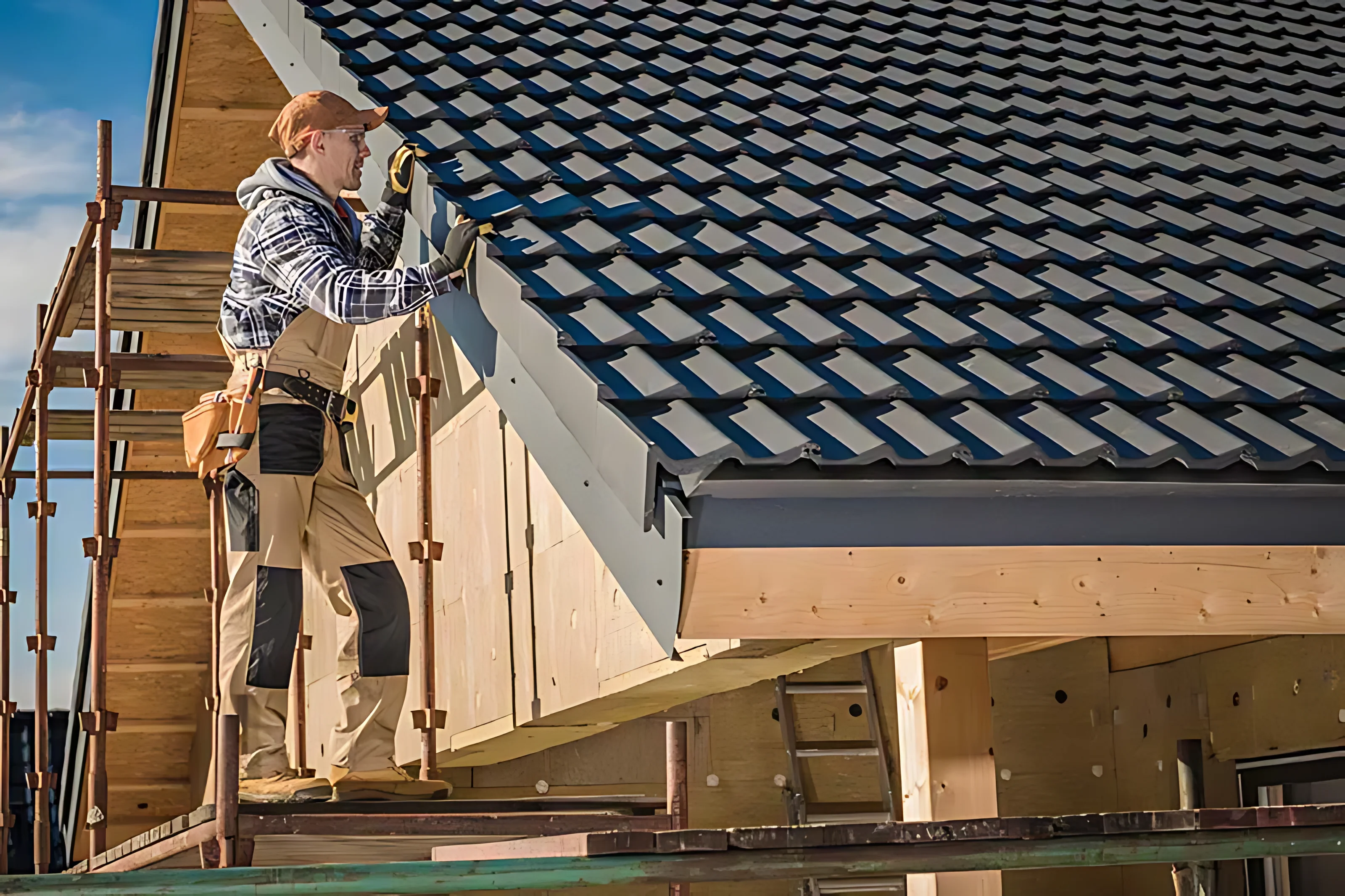
Synthetic slate installation on a steep Victorian property.
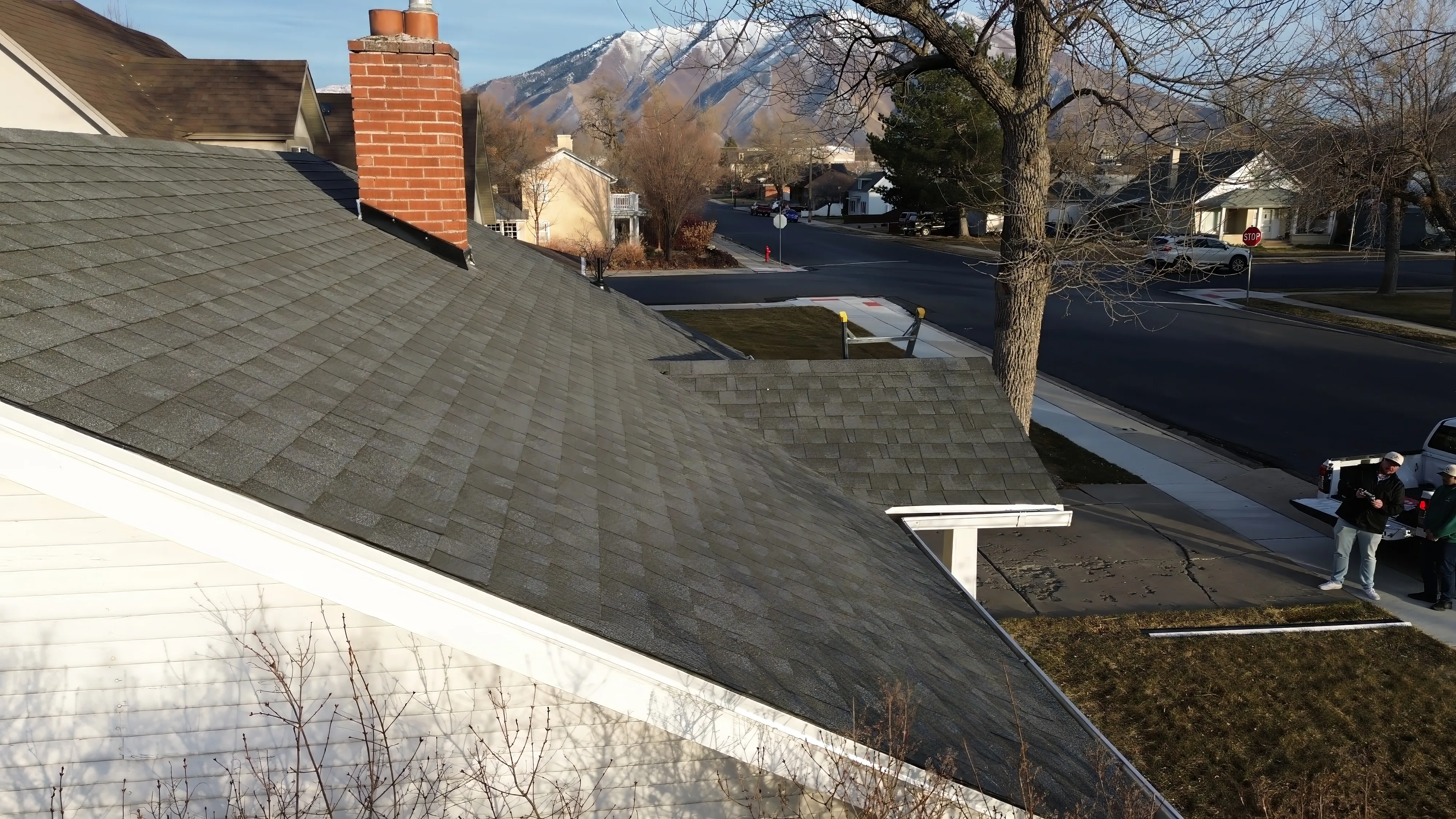
Forensic detection and repair of a chimney flashing failure.
Technical Process
- Inspect the building-specific roof condition and use profile
- Build scopes around access, sequencing, and disruption control
- Execute the work with closeout documentation and next-step guidance
Compliance & Authority
Permits are commonly required for structural work and material changes in historic districts.
Primary Authority: Salt Lake City Building Services
Performance
Built for
Salt Lake City
Ref: salt-lake-city-commercial-roofing-2026
Technical Resilience in Salt Lake City Neighborhoods
Executing commercial roofing in Salt Lake City requires more than just standard roofing practices; it demands a deep understanding of how local weather patterns—including Urban Heat Island effect and Lake Effect snow patterns—interact with the specific housing stock of the area. From the The Avenues to the newer developments near the Salt Lake City boundaries, each property faces a different set of environmental stressors.
Our Salt Lake City roofing protocols focus heavily on thermal movement management. In the Utah valley, temperatures can swing 40 degrees in a single day, causing rapid expansion and contraction of roofing materials. For commercial roofing, this means we prioritize flexible, high-polymer flashing seals and balanced ventilation systems that prevent attic heat build-up, which is a leading cause of premature shingle failure across Salt Lake City.
Furthermore, the snow load requirements of 30-43 psf in Salt Lake City are a critical factor in our structural audits. We ensure that every commercial roofing project accounts for the potential weight and moisture retention of lake-effect snow, which can often lead to ice damming on improperly ventilated slopes. By aligning our Salt Lake City field work with these specific environmental realities, we provide a solution that is engineered for longevity rather than just immediate aesthetic appeal.
We also maintain strict compliance with the Salt Lake City Building Services. Our team handles the entire permit and inspection sequence for Salt Lake City properties, ensuring that every layer of the system—from the ice and water shield to the final ridge vent—meets or exceeds local municipal code. This comprehensive technical approach is why homeowners and facility managers in Salt Lake City trust Sky Ridge Roofing for their most critical roofing investments.
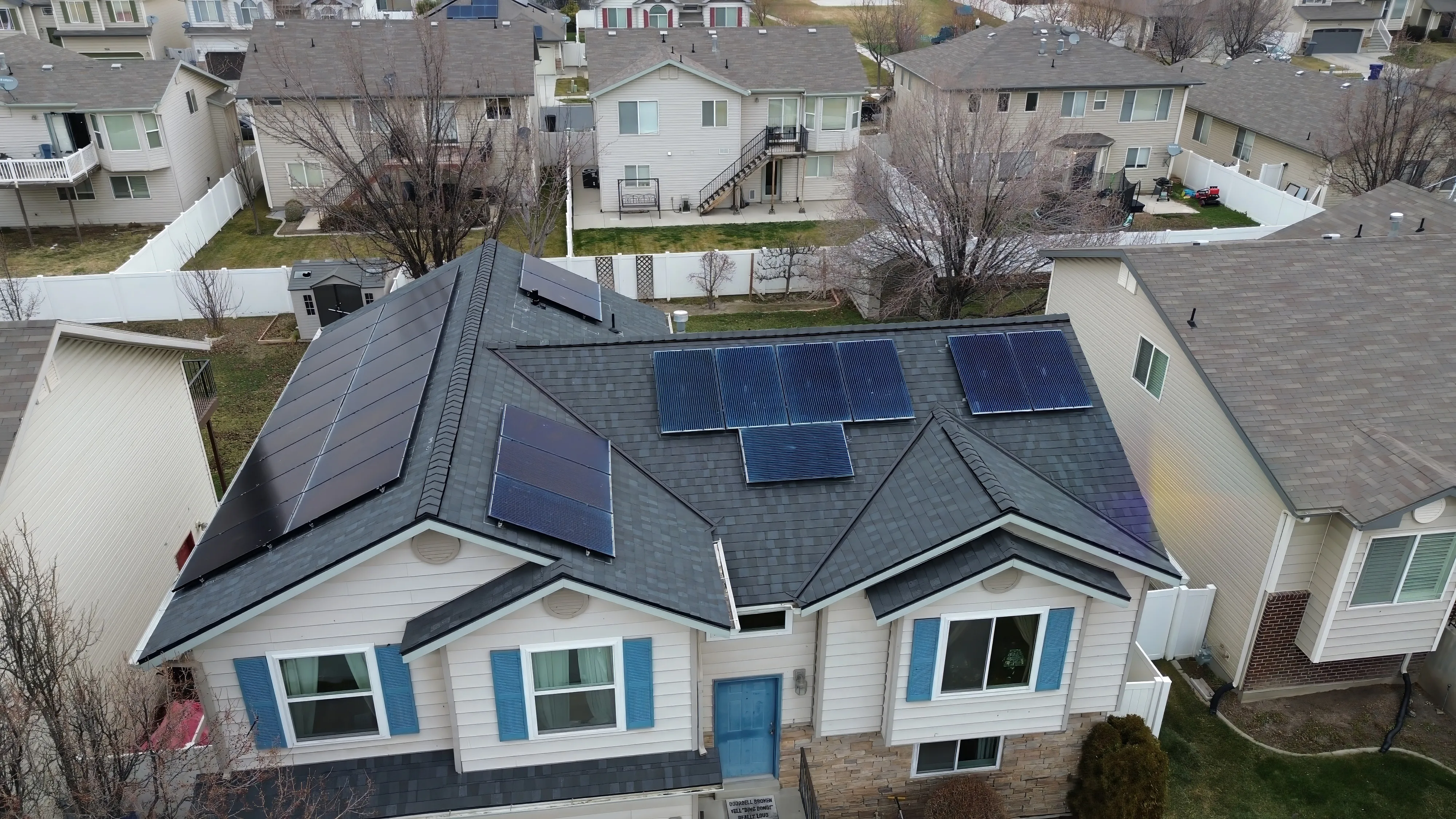
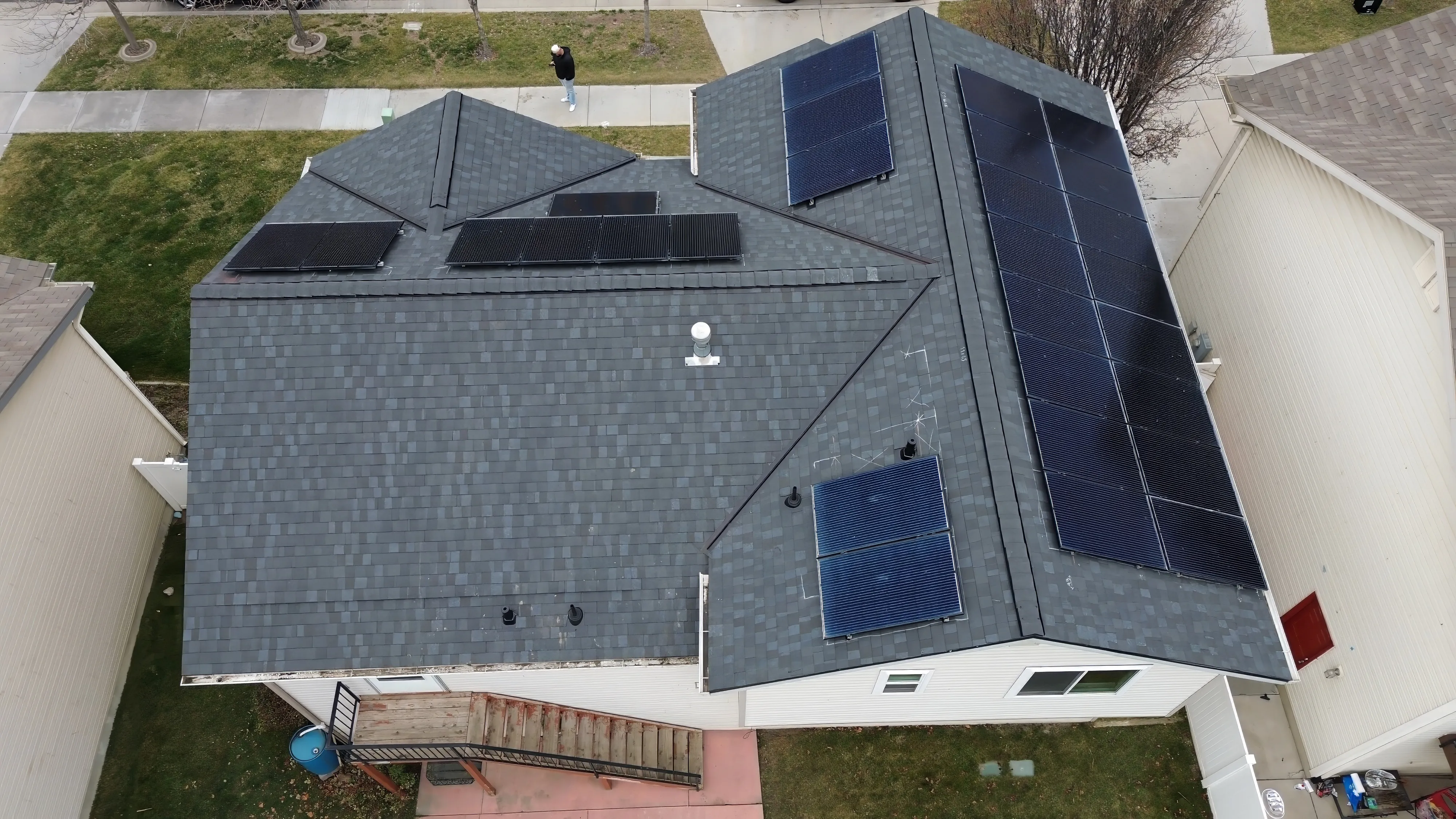
Roofing Work We Can Show in and Around Salt Lake City
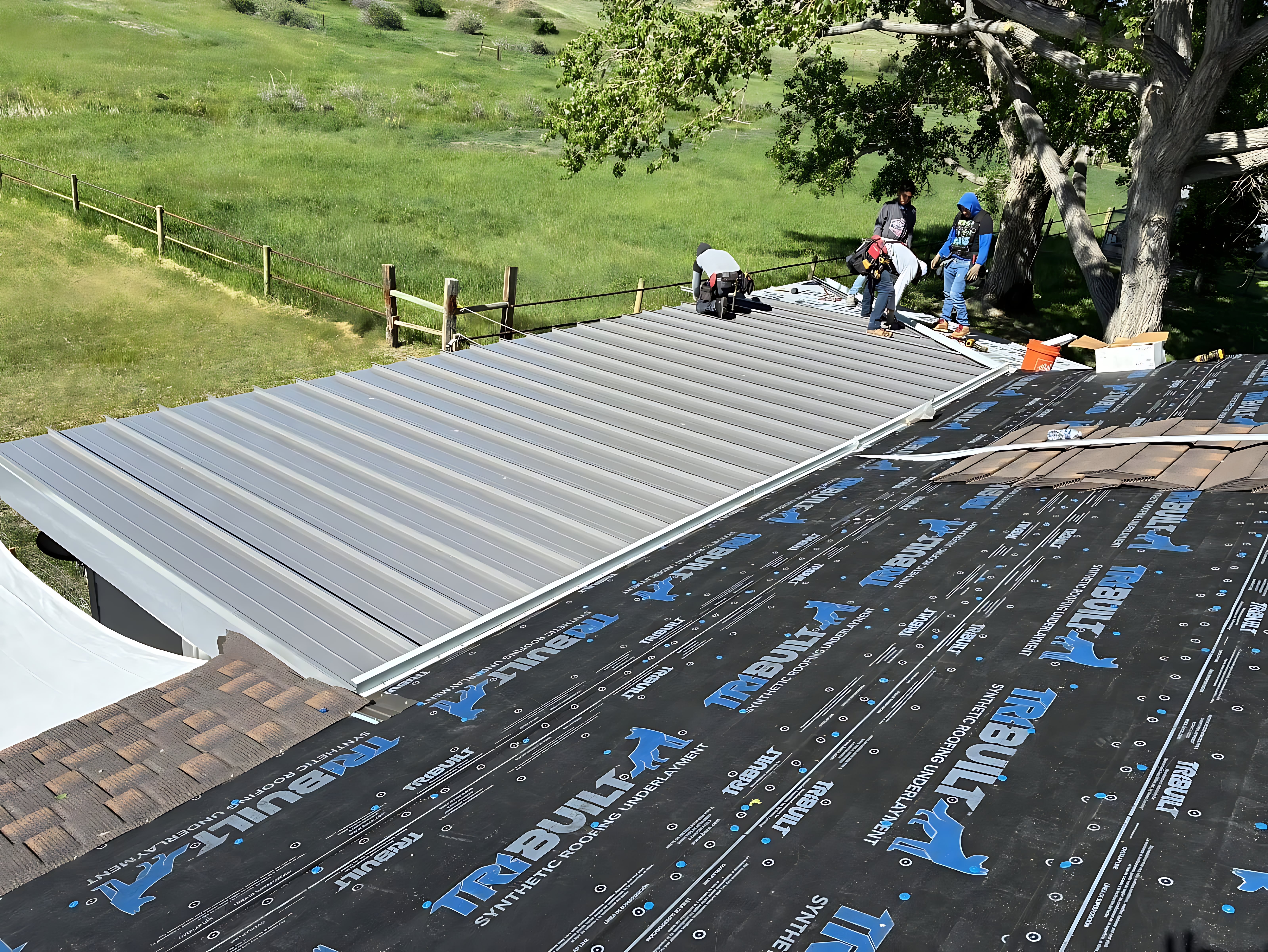
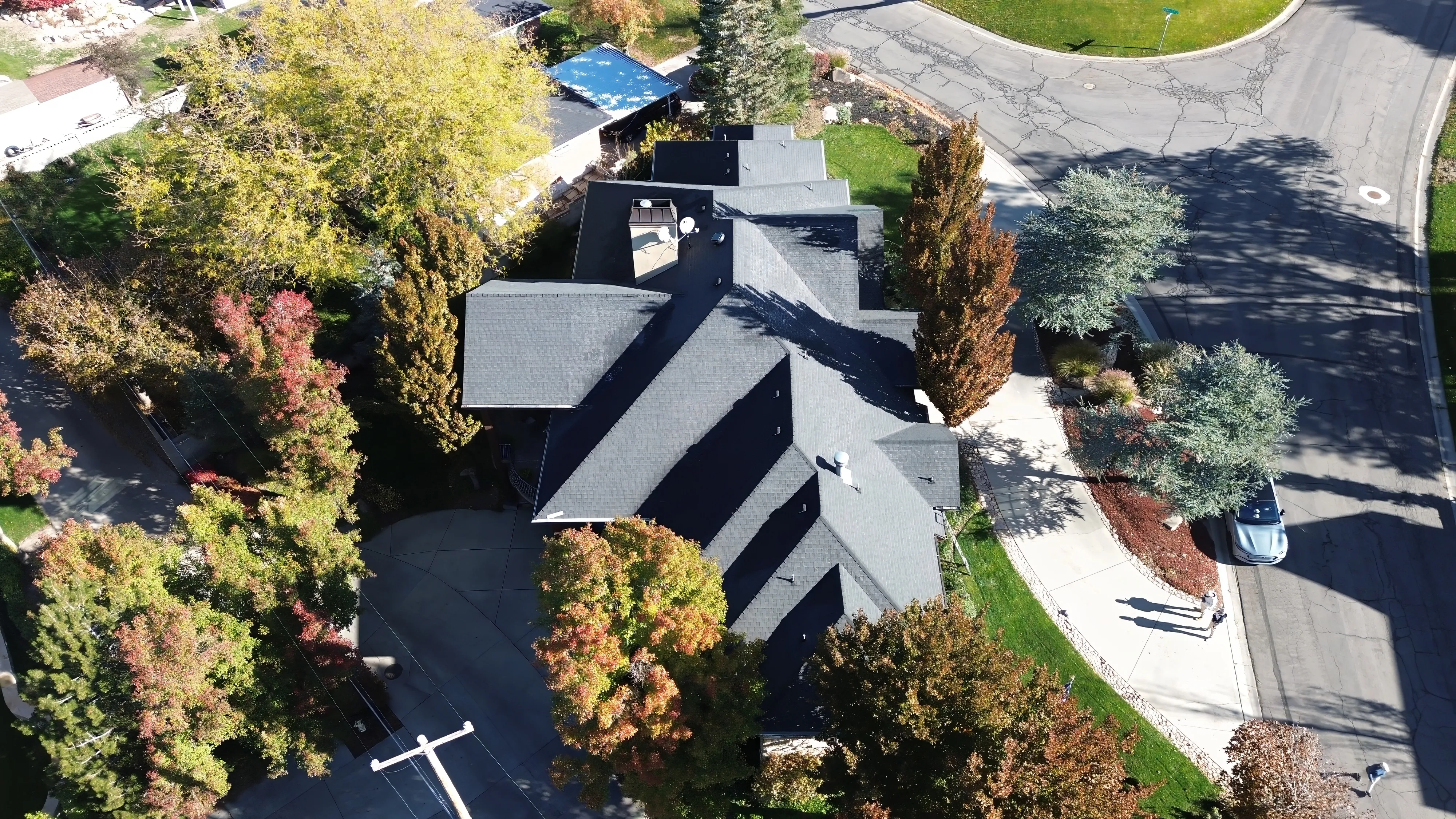
These additional project images give this commercial roofing page real visual proof instead of relying on a single hero banner.
Recommended Materials for Salt Lake City Properties
Standard 130MPH wind rating suitable for valley gusts.
Selected for east bench elevations due to snow shedding.
Commercial Roofing Insights: Salt Lake City
Practical answers for Salt Lake City homeowners considering commercial roofing.
Commercial Roofing in Salt Lake City
Access specialized asset protection for Salt Lake City commercial properties, flat roofing systems, and multi-family developments.
Commercial Services
Other Expertise in Salt Lake City
Ready for a Precise Salt Lake City Roof Audit?
Stop guessing about roof condition. Connect with our Salt Lake City field team for a forensic photo-audit and a clear, fixed-price scope tailored to your specific neighborhood conditions.